
Lipstick RFQs: Quote the Product and Pack Separately
A useful lipstick RFQ separates the product reference from its packaging and decoration. Identify the proposed shade assortment, ask what each quoted line includes and list unresolved specifications explicitly. Compare supplier responses against the same scope. A product photograph or a statement of standard size does not define the complete item that will be priced and supplied.
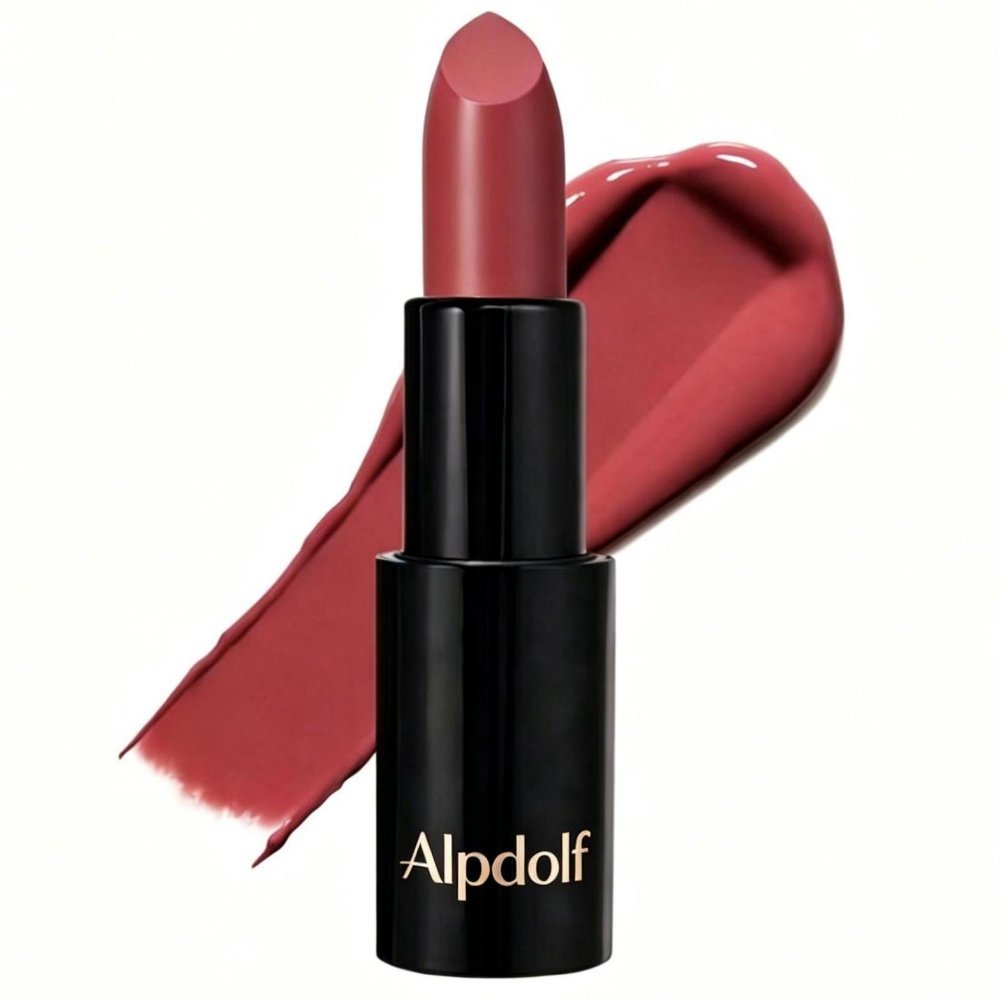
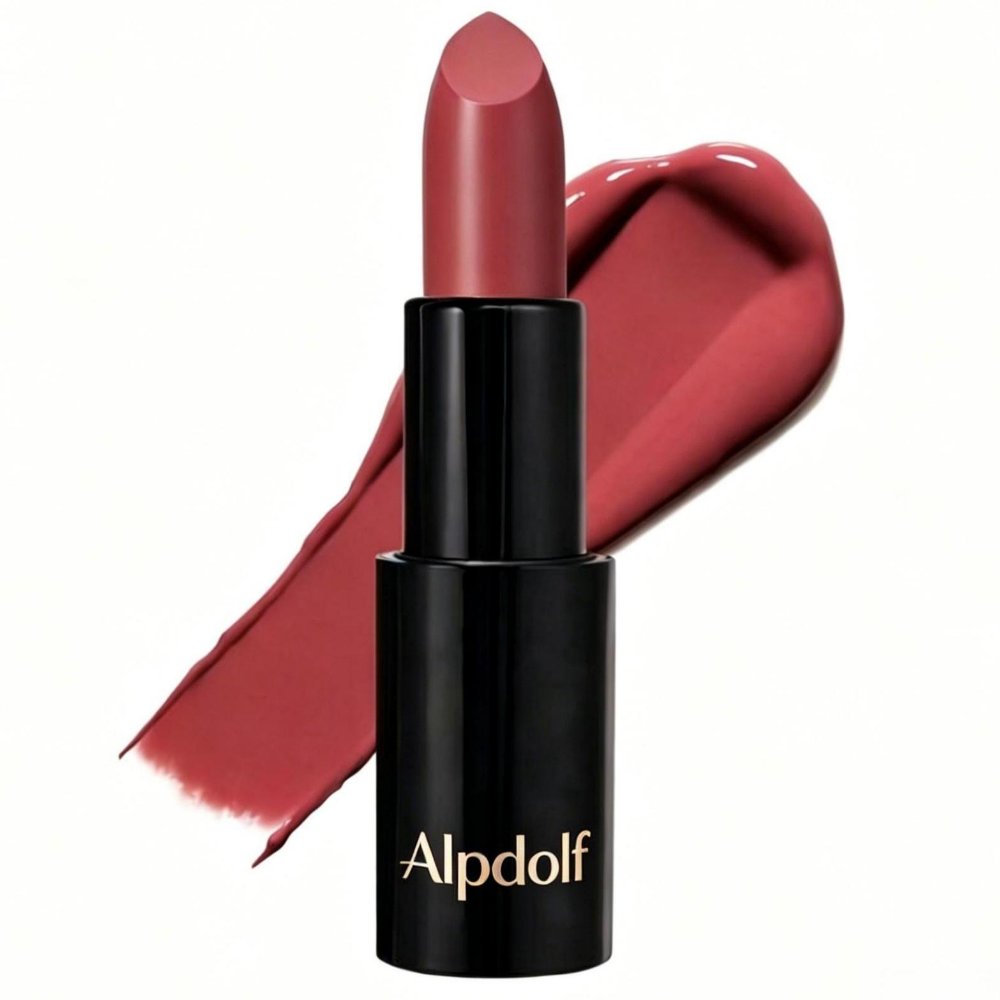
The lipstick catalogue page presents a product image and describes a standard size without giving a numerical dimension or fill weight. Buyers therefore need an item-level clarification record before treating different quotations as comparable. The purpose is to define the requested commercial scope, not to assume that every photographed shade or packaging option is currently available.
1. Identify the product being quoted
Start with the exact product URL and a reference image. Ask the supplier to provide its item identifier and confirm whether the request concerns an existing product or a proposed change. Name the shade references individually. A description such as pink lipstick is too broad to connect a sample, a quote and a later order without further clarification.
Record product identification separately from visual colour direction. Request the information that identifies the proposed formulation and the sample reference associated with each shade. Catalogue marketing language should not be copied into a purchase requirement without an agreed basis for evaluation. Keep unconfirmed fill weight, dimensions and product characteristics open until the supplier responds.
- Exact product and sample reference
- Requested quantities by shade
- Included tube and closure
- Decoration and artwork scope
- Outer pack and quantity unit
2. Split the quote into understandable lines
Ask whether the quoted product includes the tube, closure, decoration and any outer box. Keep optional work on separate lines so that a missing component does not appear to be a saving. If the supplier offers alternatives, request a clear description of each one and retain the version to which its commercial response applies.
Packaging photographs can establish the starting appearance under discussion, but they do not describe every hidden component or confirm a custom print service. Request drawings or samples when needed to identify the proposed pack. Clarify whether the buyer must supply artwork and which details the supplier needs before it can answer that part of the RFQ.
| Quote element | Required clarification | Comparison record |
|---|---|---|
| Product | Which item and shade reference? | Identifier and sample version |
| Primary pack | Which tube and closure are included? | Pack reference and exclusions |
| Decoration | What artwork or finishing is requested? | Separate scope and response |
| Secondary pack | Individual box or another grouping? | Packing unit and quantities |
3. Connect quantities to the shade assortment
Provide the buyer’s requested quantities by shade and state whether they are initial estimates. Ask the supplier to explain how the assortment affects its quotation and any order conditions. Do not infer a minimum order from a picture, from another product or from a different supplier’s offer. Record the actual response against the relevant item and version.
Keep the quantity unit explicit. A requested quantity of finished individual items is different from a number of retail sets or cartons. Identify whether a mixed-shade grouping is required and ask how it would be packed and recorded. The supplier should confirm the proposed arrangement rather than being left to interpret an unexplained total.
4. Compare equivalent scope and open assumptions
Use a comparison sheet that shows the product reference, shade breakdown and included packaging beside each response. Mark exclusions and unanswered questions in the same view. Do not compare a bare item against a decorated, boxed item as though their scope were identical. Ask for a revised quotation when the original response answers a different request.
Request the quotation’s stated commercial basis, validity and proposed milestones rather than filling those fields with assumed prices or dates. Record sample charges and other separately quoted work when applicable. A response becomes useful when its assumptions are visible; an attractive headline figure cannot resolve an unspecified product or a missing packaging component.

5. Link the accepted scope to sample review
Carry the chosen quotation version into the sample request. Connect each product and pack decision to the corresponding sample or artwork reference. If the sample changes the scope, ask the supplier to identify the commercial effect before proceeding. Keep a short change record so that the order does not quietly refer to an earlier assortment or pack.
The existing lip product development article covers broader formulation and launch considerations. This RFQ worksheet addresses the separate task of making the product and pack scope comparable. Review the current catalogue before selecting the reference for your enquiry.
Frequently Asked Questions
Does standard size provide a full specification?
No numerical size is supplied by that phrase alone. Request the relevant product and pack dimensions and the fill information needed for the proposed order, then record the supplier’s response.
Can I combine all shades into one RFQ quantity?
Give the overall request and its shade breakdown. Ask the supplier to confirm how the assortment is quoted and packed. An unexplained total can hide differences between individual items and sets.
Are the pictured results a performance approval?
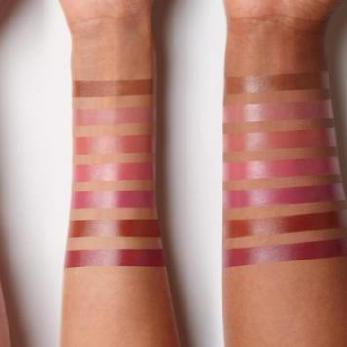
No. Gallery swatches are product illustrations. Any requested performance characteristics need an agreed evaluation basis and appropriate supporting information; appearance alone does not establish those results.
When should a quote be revised?
Request a revision when the product, assortment, decoration, packing unit or included work changes. Keep the accepted version with the sample and order records so that the same scope is being discussed.
Send the exact reference and your product-versus-pack questions through the contact page. Ask for an itemized response before making a comparison. Use the blog for related sourcing context while retaining product-specific answers in the RFQ record.