
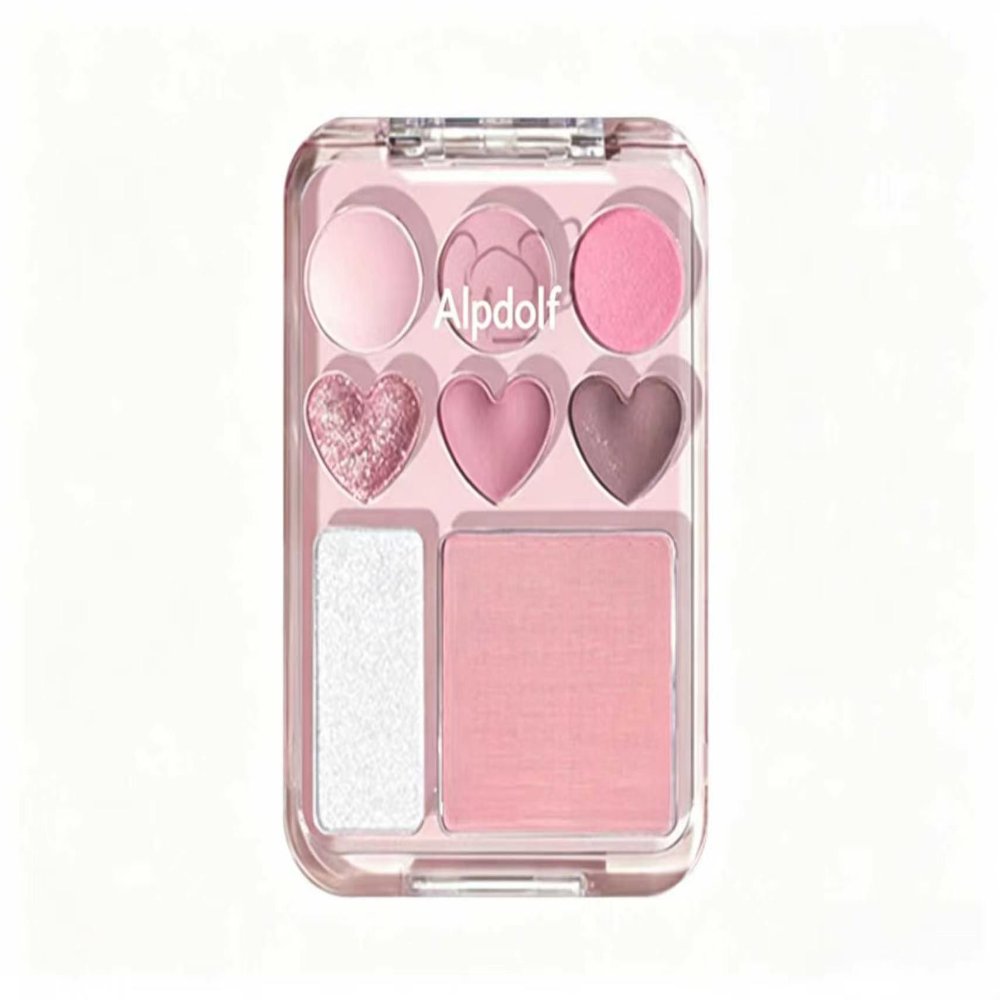
Eyeshadow Samples: Map Every Pan Before Approval
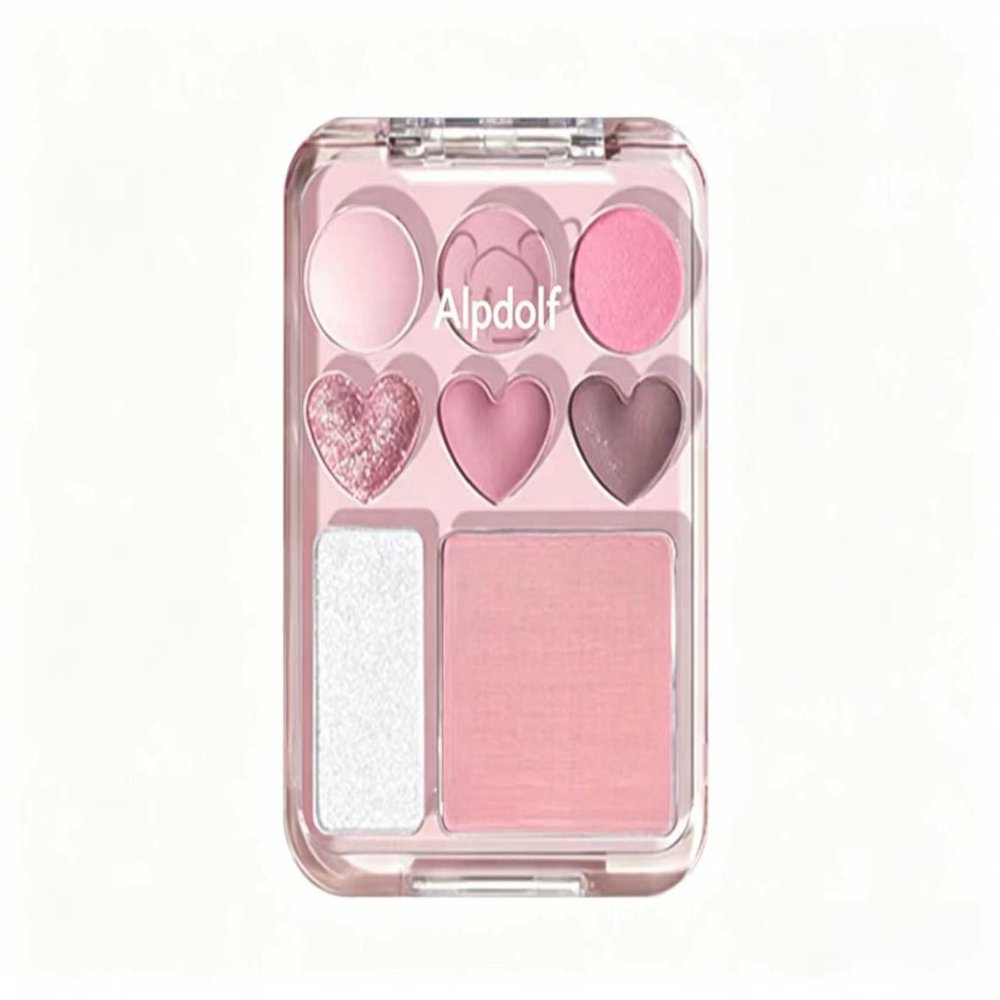
Approve an eyeshadow sample against a numbered pan map, a physical shade reference and a separate packaging record. Identify the orientation of the opened compact, assign each pan a stable position and record which version was reviewed. A catalogue photograph helps identify the proposed format, but it cannot establish an agreed formula or production colour standard.
A buyer can approve a palette photograph while the supplier interprets the shade sequence differently. The heart-shaped eyeshadow palette page shows a compact with mixed pan shapes and describes pink and brown tones. Those observations provide a starting reference. They do not identify a finished order specification, the weight of each pan or a final shade allocation.
1. Fix the viewing direction
Begin with a reference image of the complete opened palette. Mark the hinge edge and the direction from which the buyer reads the layout. A heart-shaped pan can be a useful landmark, but a decorative shape should not replace a position identifier. Keep the same orientation in the sample request, supplier response and approval attachment.
Name the palette version before discussing individual shades. Record whether the image represents an existing catalogue item, a proposed assortment or a separate development request. Ask the supplier to confirm which parts can actually change. A photograph of one configuration does not establish that other shapes, arrangements or finishes are available.
- Palette and sample version
- Hinge orientation and viewing direction
- Stable identifier for every pan
- Supplier shade reference and buyer reference
- Separate compact and decoration decision
2. Build one pan-to-shade record
Create a drawing or photograph with a distinct identifier at every pan position. Put the corresponding shade reference beside that identifier in a table. Keep the supplier’s own shade code when one exists, and ask for clarification when the source uses only a descriptive colour name. Do not silently convert a buyer’s temporary code into a supplier’s production code.
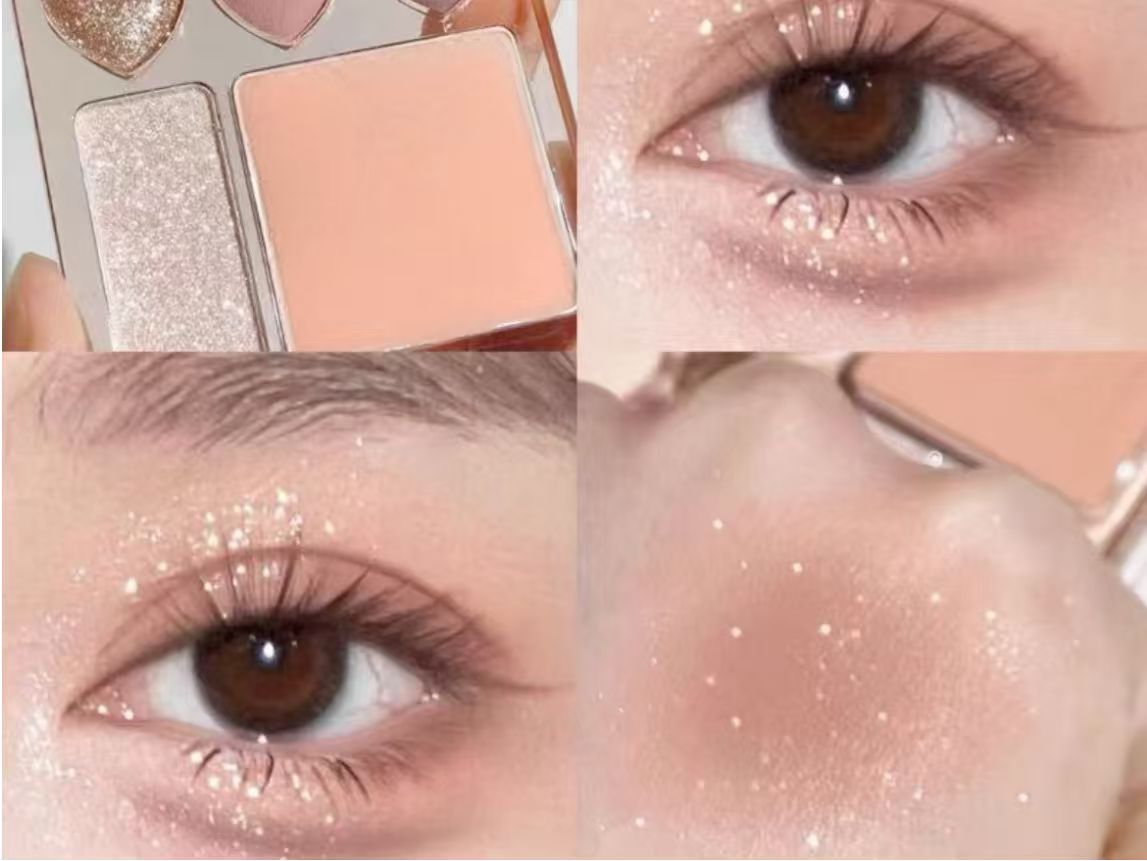
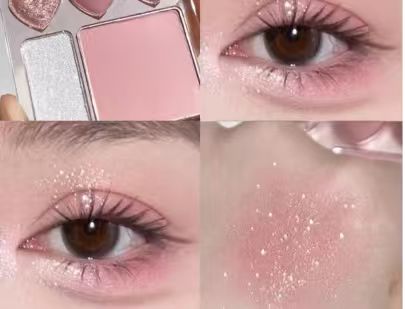
The catalogue includes colour and makeup illustrations. These can help the parties discuss the intended direction, but screen rendering and photography are not a physical colour approval. Request the actual reference sample and agree how the two teams will compare it. Retain the unedited catalogue image separately from the annotated working map.
| Record field | Ask the supplier | Retain in the approval |
|---|---|---|
| Pan position | Which position does this shade occupy? | Numbered layout and orientation |
| Shade identity | Which supplier reference identifies it? | Code and physical sample reference |
| Compact | Which case and lid were sampled? | Case photograph and version |
| Open item | What remains unconfirmed? | Named action and responsible contact |
3. Separate the product and compact decisions
Review the colour reference independently from the compact, lid, pan layout and decoration. An accepted case shape should not accidentally approve every product characteristic inside it. Identify which observations are visual, which require a physical sample and which need information from the supplier. Leave unanswered items visibly open rather than marking the whole palette approved.
Request the information needed to identify the proposed formulation and any supporting documents available for the intended order. Do not infer wear, skin suitability, ingredient identity or performance from the gallery. Keep evaluation criteria explicit and obtain the appropriate specialist review for matters outside a visual purchasing inspection. Record any limitations alongside the sample decision.
4. Issue a controlled approval response
Return one consolidated response that names the sample version, the pan-map version and the packaging reference. Mark each item accepted, rejected or awaiting clarification. For a colour correction, identify the affected position and reference sample instead of writing a general instruction such as make it warmer. This gives the supplier a specific revision to answer.
When a revised sample arrives, compare the changed position and check whether any other position or packaging element also changed. Keep the earlier record available and state which version replaces it. Approval should describe the reviewed sample and its agreed scope; it should not imply that an unreviewed batch or another catalogue palette has also passed.
5. Carry the map into the order handoff
Attach the accepted layout to the item-level order record. Connect it to the proposed product name, sample identifier, artwork revision and packing description. Ask how the supplier will identify the approved configuration on subsequent documents. If a component or shade changes later, reopen the affected part of the approval rather than relying on an old photograph.
The existing palette development guide discusses broader product and market choices. This checklist addresses the narrower handoff between a sample and a repeatable order description. Use the product catalogue to select the exact reference before requesting a numbered approval record.
Frequently Asked Questions
Is a photograph enough to approve the shades?
It can identify a proposed arrangement. Retain a physical reference for the colour decision and state how comparison will be made. An image alone does not establish the agreed formulation or performance.
Can the pan shape identify the shade?
Use a stable position identifier as well. Similar shapes may appear more than once, and a layout revision can move a shade. The record should remain understandable without relying on decorative appearance.
What if only one shade changes?
Name that position and its new reference. Ask whether the change affects any other part of the sample, then record the revised version and the scope of the new approval.
What should accompany the sample request?
Send the exact catalogue URL, proposed pan map, shade references and packaging questions. Distinguish requested options from confirmed specifications, and ask the supplier to identify any unsupported assumption.
Use the contact page to send a numbered palette reference and a list of open sample decisions. Keep the response with your order record. The blog provides related buying context without replacing product-specific confirmation.