
Blush Packs: Match Shade Codes to Carton Labels
Build a blush packing record that connects each approved shade reference to its item label, packing quantity and carton identifier. Check those links against the physical sample and the proposed packing list. Catalogue colour names and swatch numbers help identify the reference, but the supplier must confirm the actual item codes and packing arrangement for the order.
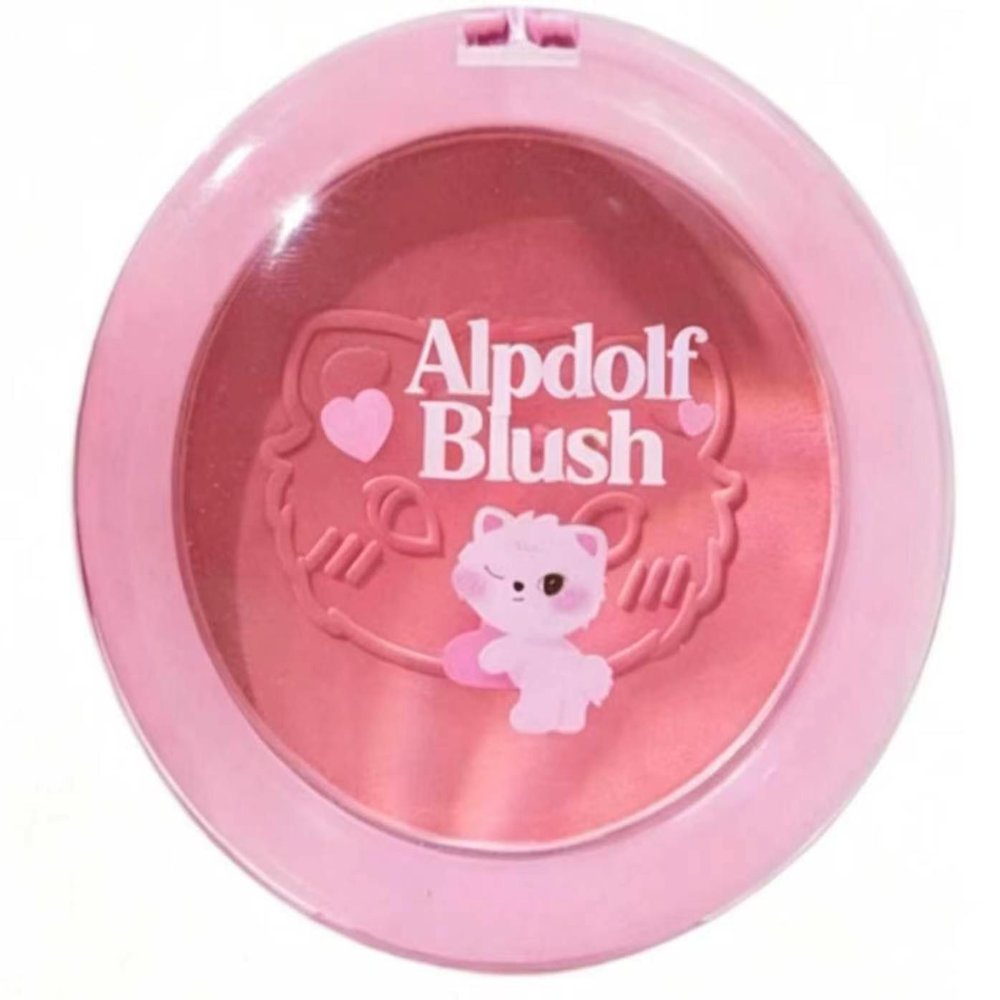
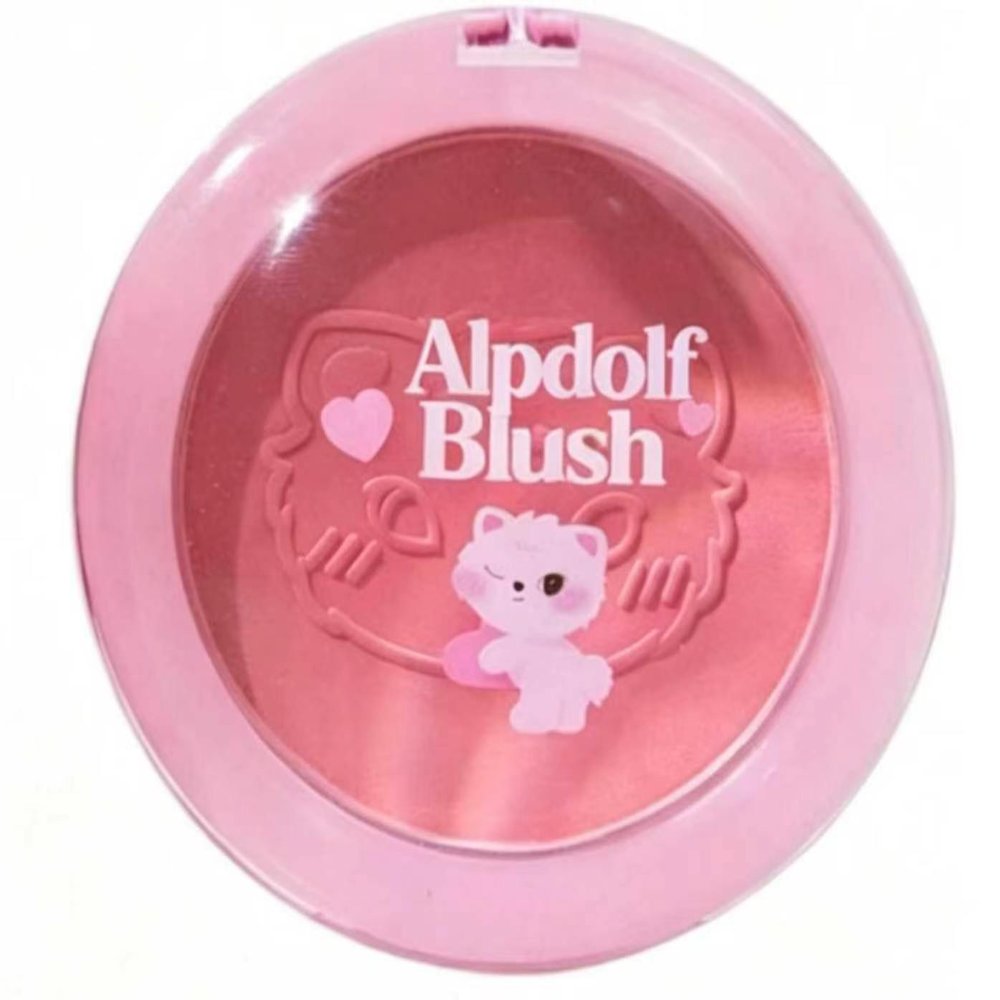
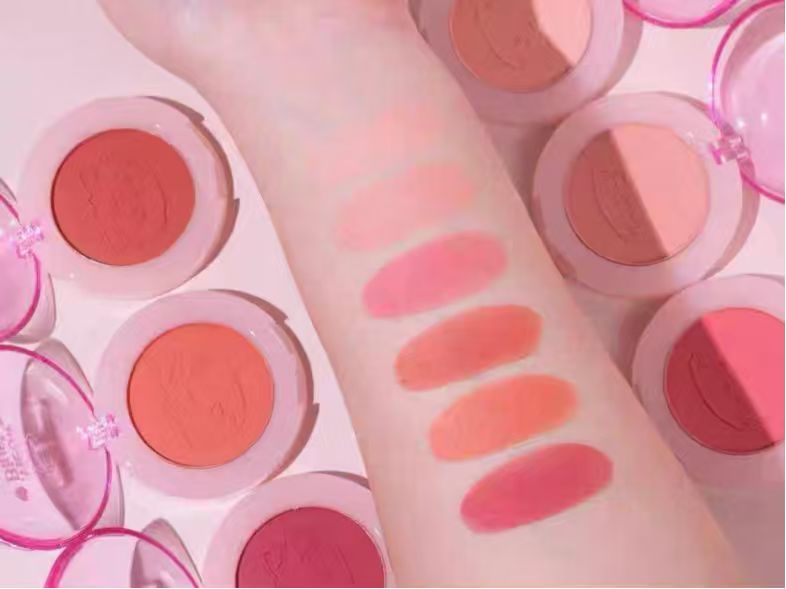
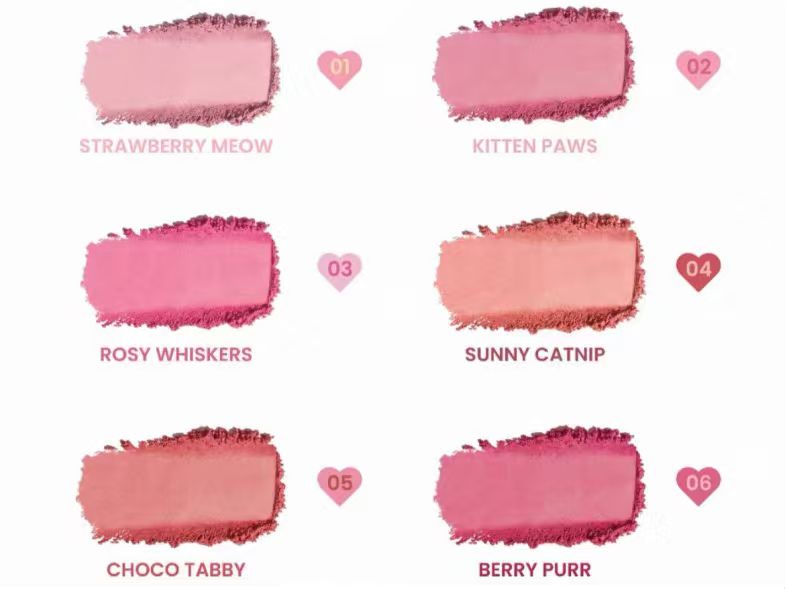
The blush product gallery shows a round compact, several colour examples and a numbered swatch illustration. The product text describes a standard size without numerical dimensions. A buyer can use these references to start a packing discussion, but should not assume that a pictured swatch number is also the supplier’s order code or carton marking.
1. Create a shade-to-item cross-reference
Place the catalogue name or swatch reference beside the supplier’s confirmed item identifier. If the buyer uses its own stock code, retain both codes and explain their relationship. Avoid replacing the supplier reference with an internal nickname. A cross-reference should allow the purchasing team, packing team and receiving team to identify the same item independently.
Connect the shade to a retained sample or another agreed physical reference. The gallery’s numbered colour illustrations are useful for discussion, but screen colours are not a production approval. Record which exact shade and pack were reviewed, and keep an unresolved code question visible until the supplier supplies the missing identification.
- Catalogue shade or swatch reference
- Supplier-confirmed item code
- Buyer stock code when used
- Approved physical sample reference
- Packing-unit quantity and carton identifier
2. Describe the proposed packing units
Distinguish an individual finished compact from a retail grouping, inner pack or outer carton. Ask which units the supplier proposes and how quantities will appear on the packing list. Do not assign an assumed carton capacity from the product photograph. The compact’s appearance does not reveal the dimensions or arrangement of the proposed shipping pack.
For an assortment, provide the requested quantity against every confirmed shade reference. Ask whether shades will be separated or combined within a packing unit and request a clear description of the proposed grouping. Record the agreed arrangement before preparing labels. A carton description should identify its contents rather than rely on a broad phrase such as mixed blush.
| Record | Cross-check | Question to resolve |
|---|---|---|
| Shade reference | Supplier item code and sample | Do all three identify the same item? |
| Item label | Approved artwork and placement | Is the correct identifier visible? |
| Packing unit | Quantities by shade | Is the assortment clearly described? |
| Carton identifier | Packing-list entry | Can receiving trace the contents? |
3. Review the actual label proof
Request a label or artwork proof that shows the item reference and its proposed placement. Check the visible text against the cross-reference, not against memory. Ask for confirmation of available label space and any artwork information needed to produce the proposed pack. Do not assume that a photograph proves an empty label area or an offered customization service.
Keep commercial identification separate from any destination-specific product information that requires its own review. Supply the buyer’s proposed text and ask the relevant responsible parties to resolve missing information. This packing worksheet does not establish ingredient identity, required consumer wording or compliance. Its purpose is to keep approved references attached to the correct physical items.
4. Reconcile the pack before dispatch
Ask for a packing record or photographs that connect the marked carton to its listed shade quantities. Compare the proposed carton identifiers and packing list rather than approving a general group photograph. If an item is substituted, short or repacked, update the affected record and obtain a clear response before treating the arrangement as accepted.
Use a simple exception log for a mismatched label, an unidentified shade or a quantity discrepancy. Name the affected item and carton reference and state what evidence is needed to close the issue. An otherwise attractive product image does not resolve a packing discrepancy. Keep the corrected record with the earlier version so the change remains traceable.
5. Preserve the same references at receipt
Provide the receiving team with the accepted shade cross-reference and packing list. Ask it to record which carton identifiers and item labels were checked and to attach clear photographs to any discrepancy. Keep packaging observations separate from product-quality decisions. An item can be correctly identified while a different inspection question remains open.
The existing cosmetic powder article discusses broader manufacturing and market topics. This guide focuses on the narrower operational link between shade references, labels and packed quantities. Check the product catalogue for the exact compact being discussed rather than extending one reference to every powder product.
Frequently Asked Questions
Is a swatch number automatically an order code?
No. Ask the supplier which identifier is used for the actual order, then retain its relationship to the pictured swatch and the buyer’s own stock code if one is used.
Can different shades share an outer carton?
Describe the requested assortment and obtain the supplier’s proposed arrangement. Confirm quantities and identifiers for the actual pack instead of assuming a standard mixed-shade configuration is offered.
Does the gallery confirm the packed dimensions?
No packed dimensions are established by the product photograph or the phrase standard size. Request measurements and packing information for the exact proposed item and its shipping arrangement.
What should receiving do with a mismatch?
Record the carton and item identifiers, the expected reference and the observed difference. Attach photographs and ask for a documented resolution. Do not replace the approved cross-reference with an unconfirmed description.
Use the contact page to send your shade cross-reference and proposed packing questions. Request confirmation against the specific catalogue item. The blog offers related purchasing context, while the accepted sample and packing records remain the order references.