
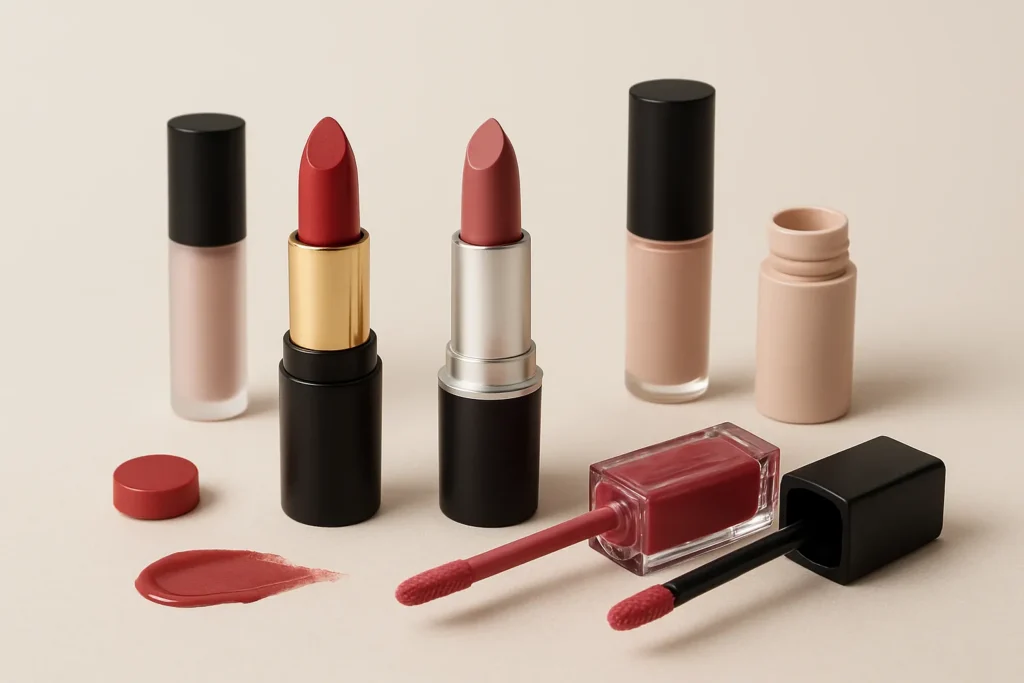
The Ultimate Guide to Crafting Exceptional Lipstick and Lip Gloss Products
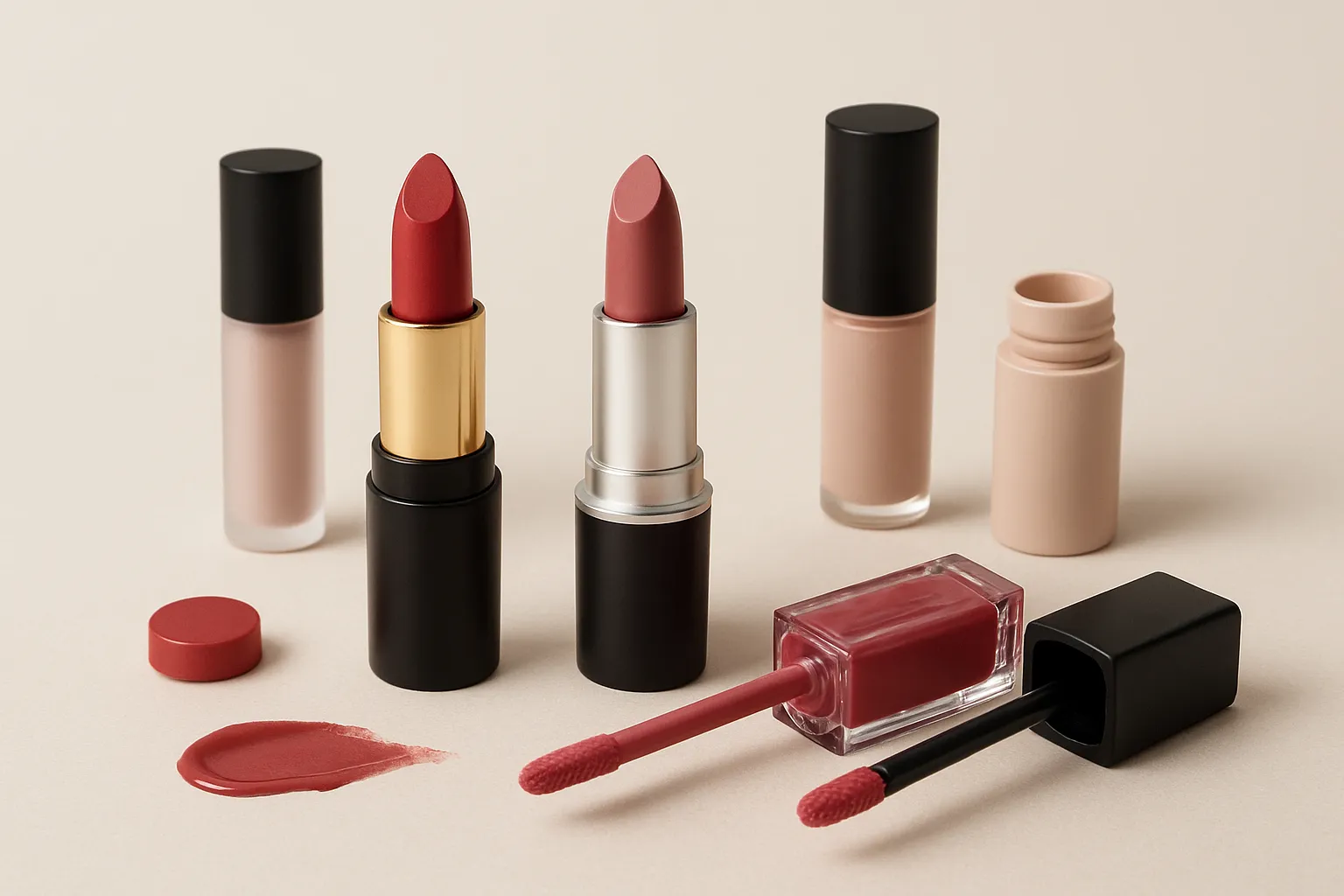
1. Introduction to Lipstick and Lip Gloss Products
Overview of the Cosmetic Industry
The cosmetic industry is a dynamic and rapidly evolving sector, boasting an impressive estimated value of over $500 billion globally. Within this vast market, lipstick and lip gloss products hold a significant share, driven by consumer demand for beauty and self-expression. As beauty standards shift and new trends emerge, the importance of developing high-quality lipstick and lip gloss products becomes paramount for brands aiming to capture market share.
Importance of Quality in Lip Products
In my experience, quality in lipstick and lip gloss products is crucial not just for customer satisfaction but also for building a solid brand reputation. High-quality formulations can significantly enhance wearability, comfort, and overall performance, leading to repeat purchases and enduring brand loyalty. In an industry where consumers are increasingly informed and discerning, delivering superior lipstick and lip gloss products is essential for standing out amidst fierce competition.
2. Key Specifications for Lipstick and Lip Gloss
Ingredients and Formulations
The foundation of any successful lipstick or lip gloss product lies in its ingredients. Key components include pigments, emollients, waxes, and preservatives. Brands must focus on creating formulations that are not only visually appealing but also safe and nourishing for the lips. The trend towards clean beauty has prompted many companies to explore natural and organic ingredients, appealing to a growing demographic that prioritizes health and sustainability. For more insights into industry standards, refer to this industry reference.
Color and Texture Considerations
Color and texture play pivotal roles in consumer preference. Lipstick products typically offer a wide range of colors, from bold reds to soft nudes, while lip gloss products often emphasize shine and hydration. The texture can vary from matte to creamy, and understanding the target market’s preferences can guide formulation choices. Conducting market research to identify trending shades and textures is essential for maintaining product relevance.
Packaging and Shelf Life
Effective packaging not only protects the product but also serves as a marketing tool. Lipstick and lip gloss products should be packaged in a way that reflects the brand’s identity while ensuring functionality. Additionally, considering shelf life is crucial; formulations must be stable over time, and packaging should prevent contamination. In my opinion, brands should invest in quality packaging materials that enhance the user experience while ensuring longevity.
3. Use Cases for Lipstick and Lip Gloss Products
Everyday Wear vs. Special Occasions
Different use cases for lipstick and lip gloss products dictate varying formulation and marketing strategies. Everyday wear products typically prioritize comfort and ease of application, while special occasion products may focus on bold colors and long-lasting formulas. Understanding these distinctions helps brands tailor their offerings to meet diverse consumer needs.
Target Demographics and Trends
Identifying target demographics is essential for product development. Younger consumers may prefer vibrant colors and trendy finishes, while older demographics might lean towards classic shades and moisturizing properties. Monitoring trends through social media and beauty influencers can provide valuable insights into shifting consumer preferences, enabling brands to adapt their product lines accordingly.
Seasonal and Limited Edition Products
Seasonal collections and limited edition releases create excitement and urgency among consumers. Brands can leverage holidays, seasons, or collaborations with influencers to launch exclusive lipstick and lip gloss products. These strategies not only drive sales but also enhance brand visibility and engagement.
4. Comparing Lipstick and Lip Gloss Products
Performance and Longevity
When comparing lipstick and lip gloss products, performance and longevity are crucial factors. Lipsticks often provide longer wear times, while glosses may require more frequent reapplication. Brands must consider these aspects when formulating their products, ensuring they meet consumer expectations for durability and ease of use.
Application Techniques and User Experience
Application techniques vary significantly between lipstick and lip gloss. Lipsticks may require precision, often benefiting from the use of lip liners, while glosses are generally more forgiving and can be applied on-the-go. Understanding user experience is vital for product development, as it influences consumer preferences and satisfaction.
Price Point and Market Positioning
Pricing strategies should reflect the quality and target market of the lipstick and lip gloss products. Premium brands may focus on high-quality ingredients and packaging, while mass-market brands might prioritize affordability. Conducting competitive analysis can help brands position themselves effectively within the market, ensuring they attract the right consumers.
5. Sourcing Ingredients and Materials
Finding Reliable Suppliers
Sourcing high-quality ingredients and materials is a critical step in developing lipstick and lip gloss products. Brands should seek reliable suppliers who can provide consistent quality and transparency regarding sourcing practices. Building strong relationships with suppliers can lead to better pricing, quality assurance, and innovation opportunities.
Quality Control and Testing
Implementing rigorous quality control measures is essential for ensuring product safety and efficacy. Brands should conduct thorough testing on formulations, including stability tests and consumer trials, to gather feedback and make necessary adjustments. Compliance with industry standards and regulations is also vital to avoid potential legal issues.
Sustainability and Ethical Sourcing
As consumers become more environmentally conscious, brands must prioritize sustainability in their sourcing practices. This includes selecting eco-friendly materials, reducing waste in packaging, and ensuring ethical labor practices in the supply chain. Emphasizing sustainability can enhance brand reputation and appeal to a growing segment of eco-aware consumers.
6. Implementation Strategies for Product Development
Prototyping and Testing
Developing prototypes is a crucial step in the product development process. Brands should create multiple iterations of their lipstick and lip gloss products, testing for color payoff, texture, and wearability. Gathering feedback from focus groups can provide insights into consumer preferences, guiding final formulations.
Marketing and Branding Considerations
Effective marketing and branding strategies are essential for launching lipstick and lip gloss products successfully. Brands should develop a cohesive brand identity that resonates with their target audience, utilizing social media, influencer partnerships, and traditional advertising to create buzz around new product launches.
Distribution Channels and Sales Strategies
Choosing the right distribution channels can significantly impact product success. Brands may opt for online sales, brick-and-mortar retail, or a combination of both. Understanding where target consumers prefer to shop can guide distribution strategies, ensuring products are readily accessible.
7. Frequently Asked Questions
Common Challenges in Lip Product Development
Common challenges in developing lipstick and lip gloss products include achieving the desired color payoff, ensuring product stability, and navigating regulatory requirements. Brands must be prepared to address these challenges through thorough research and testing.
Regulatory Compliance and Safety Standards
Compliance with regulatory standards is critical for ensuring product safety and efficacy. Brands should familiarize themselves with the regulations governing cosmetic products in their target markets, including ingredient restrictions and labeling requirements.
Trends Shaping the Future of Lip Products
The future of lipstick and lip gloss products is likely to be shaped by trends such as clean beauty, inclusivity in shade offerings, and innovative formulations that cater to specific consumer needs, such as hydration and long-lasting wear. Staying ahead of these trends will be essential for brands looking to maintain relevance in a competitive landscape.
Conclusion
Developing high-quality lipstick and lip gloss products requires a comprehensive understanding of the cosmetic industry, consumer preferences, and effective sourcing and marketing strategies. By focusing on quality ingredients, innovative formulations, and strategic branding, brands can successfully navigate the complexities of product development and meet the ever-evolving demands of the beauty market.