
Innovative Cosmetic Powder Products: Manufacturing & Marketing Strategies for Success
1. Introduction to Cosmetic Powder Products
Definition and Importance
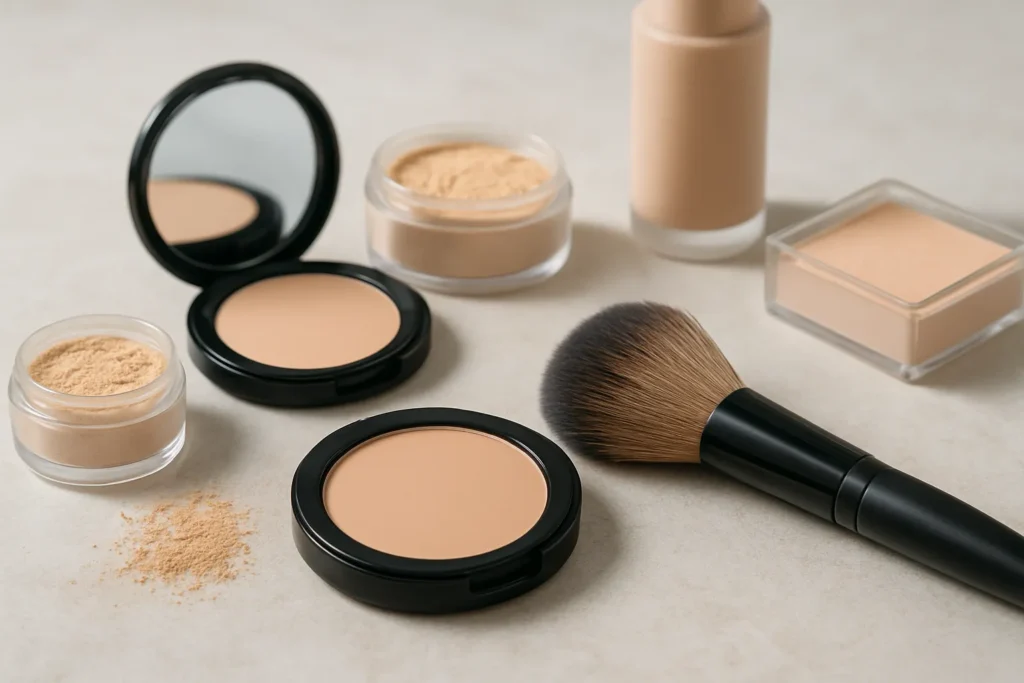
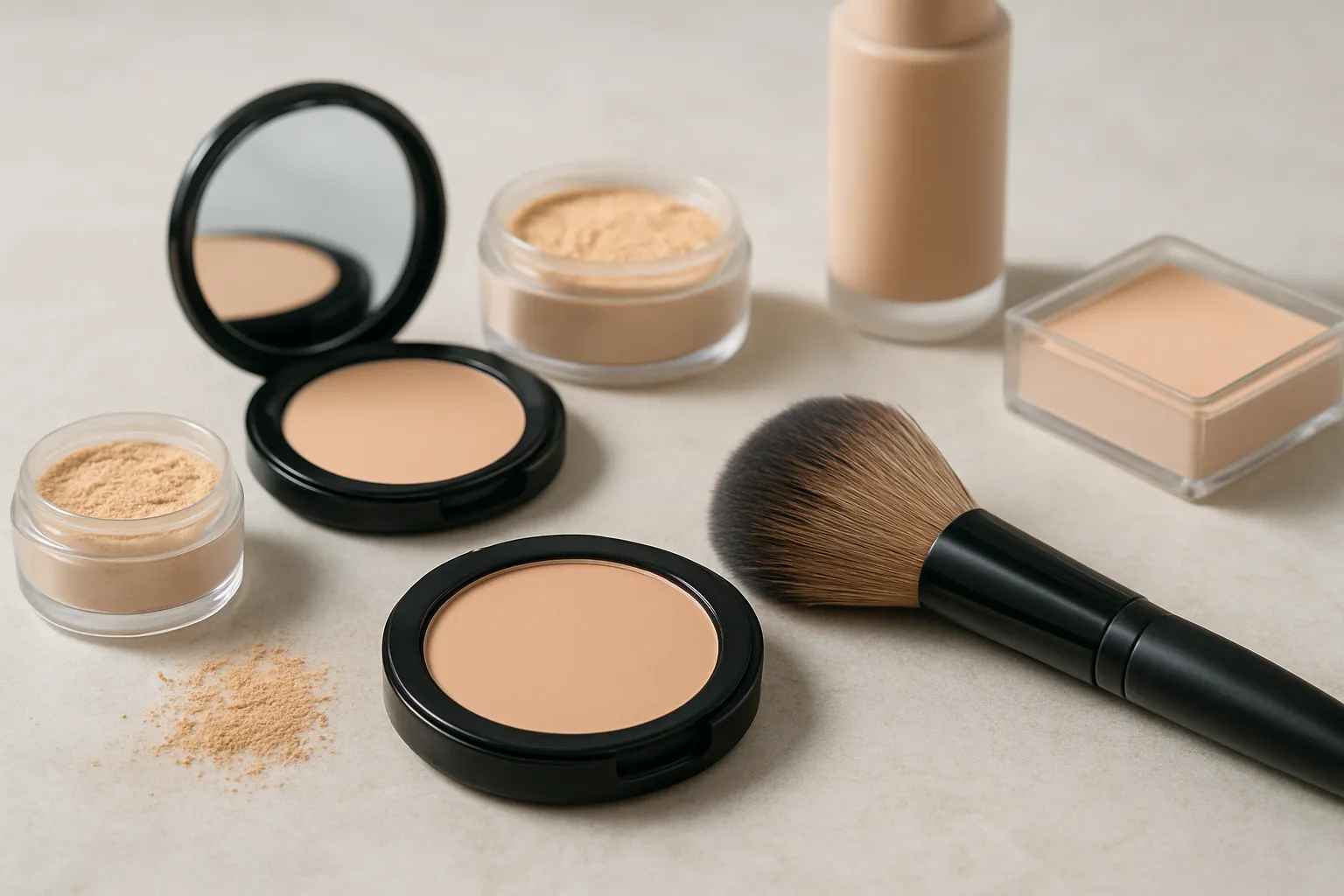
Cosmetic powder products cover a broad spectrum of formulations utilized in the beauty industry, including foundations, blushes, setting powders, and more. These products are essential for enhancing skin appearance while offering various benefits such as oil control, hydration, and sun protection. Their significance lies not only in their functional attributes but also in their ability to cater to diverse consumer preferences and skin types.
Market Trends Overview
The cosmetic powder market has experienced remarkable growth over the past few years, driven by rising consumer awareness regarding beauty products and a transition towards innovative formulations. Industry reports indicate that the global cosmetic powder market is poised for continued expansion, propelled by trends like clean beauty, sustainable ingredients, and the surge in e-commerce. Brands are now emphasizing the creation of multifunctional products that cater to the evolving needs of consumers, highlighting the importance of both quality and performance. For more detailed insights, refer to this industry reference.
2. Manufacturing Innovations in Cosmetic Powders
Advanced Formulation Techniques
Recent innovations in manufacturing processes have transformed the formulation of cosmetic powder products. Techniques such as microencapsulation and air milling are widely adopted to enhance the texture and efficacy of powders. Microencapsulation allows for the controlled release of active ingredients, ensuring long-lasting effects on the skin. Air milling, on the other hand, reduces particle size, resulting in smoother application and improved blendability.
Sustainable Sourcing of Ingredients
Sustainability has emerged as a key focus in the manufacturing of cosmetic powder products. Brands are increasingly prioritizing the sourcing of ingredients that are not only effective but also environmentally friendly. This involves the use of plant-based pigments, biodegradable fillers, and responsibly harvested minerals. By emphasizing sustainable sourcing, companies can attract eco-conscious consumers while minimizing their environmental footprint.
Quality Control Measures
Ensuring the quality and safety of cosmetic powder products is vital. Manufacturers are adopting strict quality control measures at every production stage, from ingredient sourcing to final product testing. This includes implementing Good Manufacturing Practices (GMP) and conducting regular audits to ensure compliance with industry standards. By maintaining high-quality standards, brands can foster trust with consumers and enhance their market reputation.
3. Key Specifications for Cosmetic Powder Products
Ingredient Composition
The composition of ingredients in cosmetic powder products significantly impacts their performance and appeal to consumers. Typical components include mineral-based pigments, binding agents, and skin-conditioning agents. Brands must diligently select ingredients that not only deliver the desired effects but also cater to various skin types, including sensitive and acne-prone skin.
Texture and Finish
Texture and finish are critical specifications that can dictate the success of a cosmetic powder product. Consumers often favor a lightweight, silky texture that integrates seamlessly into the skin. Finishes can vary from matte to dewy, depending on the desired outcome. Brands should invest in consumer research to comprehend preferences and tailor their products accordingly.
Packaging Considerations
Packaging plays a crucial role in the marketing and usability of cosmetic powder products. Innovative packaging solutions, such as refillable containers and air-tight dispensers, can enhance user experience while promoting sustainability. Additionally, visually appealing designs can capture consumer interest and help differentiate products in a saturated market.
4. Use Cases for Cosmetic Powder Products
Applications in Makeup
Cosmetic powder products are primarily utilized in makeup applications. They serve various functions, including setting makeup, adding color, and providing coverage. The versatility of powders allows for creative applications, such as contouring and highlighting, making them indispensable in both professional makeup artistry and everyday beauty routines.
Skincare Integration
A burgeoning trend is the integration of skincare benefits into cosmetic powder products. Formulations incorporating ingredients like hyaluronic acid, antioxidants, and vitamins can offer added value to consumers. This crossover between makeup and skincare not only boosts product appeal but also aligns with the increasing demand for multifunctional beauty solutions.
Professional vs. Consumer Markets
The market for cosmetic powder products can be segmented into professional and consumer categories. Professional products typically feature higher pigment concentrations and are designed for use by makeup artists. In contrast, consumer products focus on user-friendliness and accessibility. Brands must tailor their marketing strategies to meet the distinct needs of each segment.
5. Comparative Analysis of Cosmetic Powder Products
Traditional vs. Innovative Products
A comparative analysis between traditional and innovative cosmetic powder products reveals marked differences in formulation, texture, and performance. Traditional products often rely on basic ingredients, while innovative offerings leverage advanced technologies and sustainable practices. This shift is steering consumer preference toward brands that prioritize innovation and quality.
Brand Performance Metrics
Evaluating brand performance in the cosmetic powder market involves metrics such as sales growth, market share, and customer satisfaction. Brands that consistently deliver high-quality products and engage effectively with their target audience tend to outperform competitors. Analyzing these metrics can provide valuable insights into market trends and consumer preferences.
Price Point Comparisons
Price points for cosmetic powder products vary widely based on brand positioning and ingredient quality. Luxury brands may command higher prices due to premium formulations, while mass-market brands often compete on affordability. Understanding the pricing landscape is crucial for brands to position their products effectively and attract the right consumer segments.
6. Sourcing Strategies for Cosmetic Powder Ingredients
Supplier Selection Criteria
Selecting the right suppliers for cosmetic powder ingredients is fundamental for ensuring quality and consistency. Brands should establish clear selection criteria that consider factors like ingredient quality, sustainability practices, and reliability. Building strong relationships with suppliers can also lead to better pricing and access to innovative ingredients.
Global Sourcing Trends
The globalization of the cosmetic industry has significantly influenced sourcing strategies for cosmetic powder ingredients. Brands are increasingly looking beyond local suppliers to explore global markets for unique and high-quality ingredients. This trend not only enriches product offerings but also helps brands remain competitive in a dynamic marketplace.
Risk Management in Sourcing
Effective risk management is paramount when sourcing cosmetic powder ingredients. Brands must evaluate potential risks related to supply chain disruptions, ingredient availability, and regulatory compliance. Developing contingency plans and diversifying supplier sources can mitigate these risks and ensure a consistent supply of high-quality ingredients.
7. Implementation of Marketing Strategies
Target Audience Identification
Identifying the target audience is a foundational step in developing effective marketing strategies for cosmetic powder products. Brands should analyze demographic data, consumer behavior, and market trends to pinpoint their ideal customers. This understanding enables tailored marketing messages that resonate with specific consumer segments.
Digital Marketing Tactics
In today’s digital landscape, leveraging online platforms is essential for marketing cosmetic powder products. Brands can utilize social media, content marketing, and search engine optimization (SEO) to expand their reach. Engaging content, such as tutorials and user-generated reviews, can enhance brand visibility and foster consumer interaction.
Influencer Collaborations
Partnering with influencers can significantly amplify the marketing efforts of cosmetic powder products. Influencers possess the ability to reach large audiences and offer authentic endorsements that resonate with consumers. Brands should strategically select influencers whose values align with their own to forge genuine partnerships that enhance brand credibility.
8. Frequently Asked Questions (FAQs)
Common Concerns in Manufacturing
Manufacturers often encounter concerns regarding ingredient safety, formulation stability, and adherence to regulatory standards. Addressing these issues necessitates a commitment to quality control and transparency throughout the manufacturing process.
Marketing Challenges
Marketing cosmetic powder products presents unique challenges, including differentiating from competitors and effectively communicating product benefits. Brands must adopt innovative marketing approaches to capture consumer interest and cultivate brand loyalty.
Regulatory Compliance Issues
Compliance with regulatory standards is critical in the cosmetic industry. Brands must stay abreast of evolving regulations concerning ingredient safety, labeling, and marketing claims. Ensuring compliance not only protects consumers but also safeguards the brand’s reputation.
Conclusion
The landscape of cosmetic powder products is rapidly evolving, spurred by innovations in manufacturing, changing consumer preferences, and the demand for sustainable practices. By grasping the key specifications, use cases, and marketing strategies associated with these products, brands can position themselves for success in a competitive market. As the industry continues to expand, embracing innovation and sustainability will be crucial for brands aiming to thrive in the world of cosmetic powders.