
Cosmetic Samples: Keep Each Product on Its Own Line
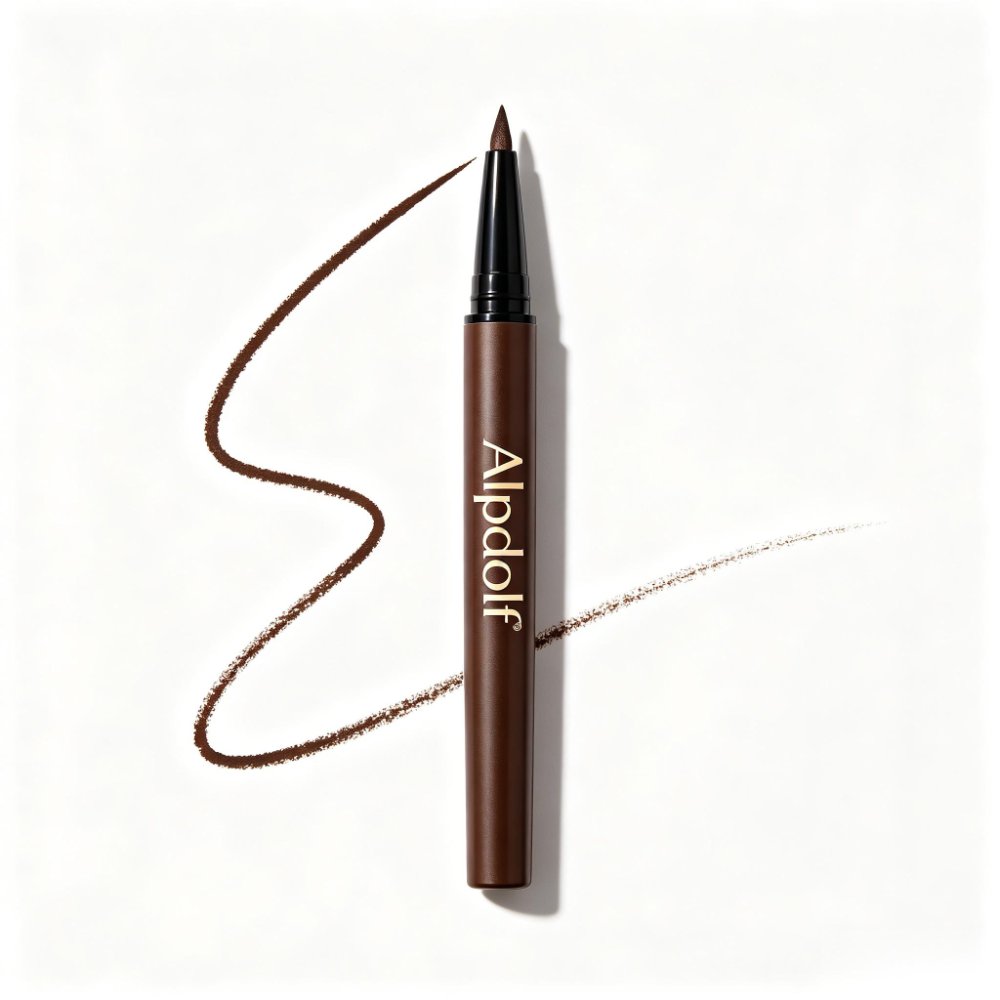
Official eyeliner reference. The displayed mark and colour strokes identify the catalogue presentation, not an approved shade, wear result or supplied sample set.
For a mixed colour-cosmetic sample request, give the palette, eyeliner pencil and lipstick separate lines with their own requested version and quantity unit. Andy’s catalogue presents a Heart-Shaped Eyeshadow Palette in pink and brown tones, an Eyeliner Pencil with three named colours, and a Lipstick described as standard size. Those listings do not define a combined sampling kit or a shared piece count. Ask the supplier to confirm the actual dispatch list.
A buyer sourcing wholesale eyeliner pencils alongside palettes and lip products can discuss all three families in one conversation. The difficulty is keeping that conversation countable. “One sample of each” is unclear if one party means a product family and the other means every requested colour. A line-level request gives the supplier and receiving team the same starting record.
Use one line for each requested product version
Begin each line with the exact catalogue URL and product name. Add a temporary buyer line code where a supplier code is not yet provided, and identify it as the buyer’s reference. Keep a supplier’s later identifier in a separate field rather than replacing the original request while the sample is being prepared.
Use the Eyeliner Pencil page for the pencil line. It lists Black, Dark Brown and Light Brown. State which colour references are requested and the individual-pencil quantity for each. The three-colour list does not by itself mean that one sample unit contains three pencils or that every colour is being requested.
Retain one buyer line per requested version.
Name the complete sample unit beside its quantity.
Keep supplier alternatives on separate lines.
Name the counted object for all three forms
For the Heart-Shaped Eyeshadow Palette, say whether the requested sample is a complete palette. Keep that unit distinct from the individual pans inside it. Pink tones and Brown tones are catalogue descriptions; ask which actual palette version is proposed rather than inventing a supplier shade code from those broad words.
For the Lipstick reference, identify the requested finished sample and ask the supplier for its version reference. The phrase standard size does not provide a numerical dimension or fill quantity. Keep those open fields visible where they are needed to identify the dispatched sample, without transferring a value from the pencil or palette line.
Sample line
Counted object
Version response needed
Eyeshadow palette
Requested complete palettes
Selected pink/brown-tone configuration reference
Eyeliner pencil
Individual pencils per requested colour
Black, Dark Brown or Light Brown reference
Lipstick
Requested finished lipstick samples
Supplier item and selected sample version
Dispatch total
Sum of confirmed physical sample units
Included lines and unresolved quantities
Request confirmation against the same unit labels. A response that names a family but leaves its quantity blank should remain unresolved. If the supplier offers a different version, keep it on a proposed-alternative line until the buyer accepts the change.
Separate palette product reference. One complete palette is a different sample unit from its internal pans or an individual eyeliner pencil.
Distinguish an individual sample from a proposed kit
Ask whether the supplier will send the confirmed products individually identified or grouped in a proposed presentation. A shared shipping package does not make them a commercial cosmetic kit. If the buyer actually wants a kit, provide a separate member list and request confirmation of that additional scope.
Keep sample charges, requested decoration and any presentation work as separately answered questions. A catalogue image with branding is not a promise that a particular decoration is included in the sample. The immediate task is to identify what will be sent, leaving product development and later commercial-pack decisions attached to their own records.
Ask for a line-linked dispatch list
Before dispatch, request a contents list that repeats the buyer line, supplier reference, colour or configuration and number of complete units. Ask the supplier to identify each sample so it can be connected to that list after unpacking. Keep an alternative or missing item visible rather than allowing it to disappear inside a general message that the samples are ready.
A concise enquiry can say: “Please return the proposed sample version and complete-unit quantity for every line. Identify any unavailable request and any alternative separately. Please repeat those references on the dispatch contents list, and confirm any sample or presentation charges before proceeding.” Attach the three product links and the requested breakdown.
Separate lipstick catalogue presentation. The image does not supply a numerical fill, dimensions or confirmed sample-shade identifier.
Use receipt to close the sample-count question
At receipt, compare each physical sample with the dispatch line and record what arrived, what is missing and what was substituted. Retain the sample’s identification with its corresponding record. This makes a discrepancy specific: a missing requested pencil colour can be distinguished from a missing complete palette.
Receiving a counted sample is not product approval. Keep the resulting receipt list separate from pan-shade mapping, formulation review and any relevant performance evaluation. The list establishes which references are available for the next review, without extending a sample’s identity into a safety, wear or production guarantee.
Frequently asked questions
Does one sample of each mean one per listed colour?
It is ambiguous. Give the requested complete-unit quantity beside each colour or configuration and ask the supplier to answer in the same fields.
Can the three products be treated as a catalogue kit?
The observed pages present separate products. Request and confirm a kit member list if a combined presentation is wanted; a common dispatch package is not enough.
Should a palette’s pans count as separate received samples?
Use the requested unit definition. If the line calls for complete palettes, record those as units and retain internal pan identification for the separate palette review.
Where should the mixed request be sent?
Use the supplier contact page with product URLs, requested versions, quantities and the line-linked dispatch-list requirement.
Cosmetic SamplesRFQ PreparationProduct IdentificationWholesale Buying