

Creating Effective Eyeshadow Palettes: A Guide for Cosmetic Brands to Boost Sales
1. Introduction to Eyeshadow Palettes
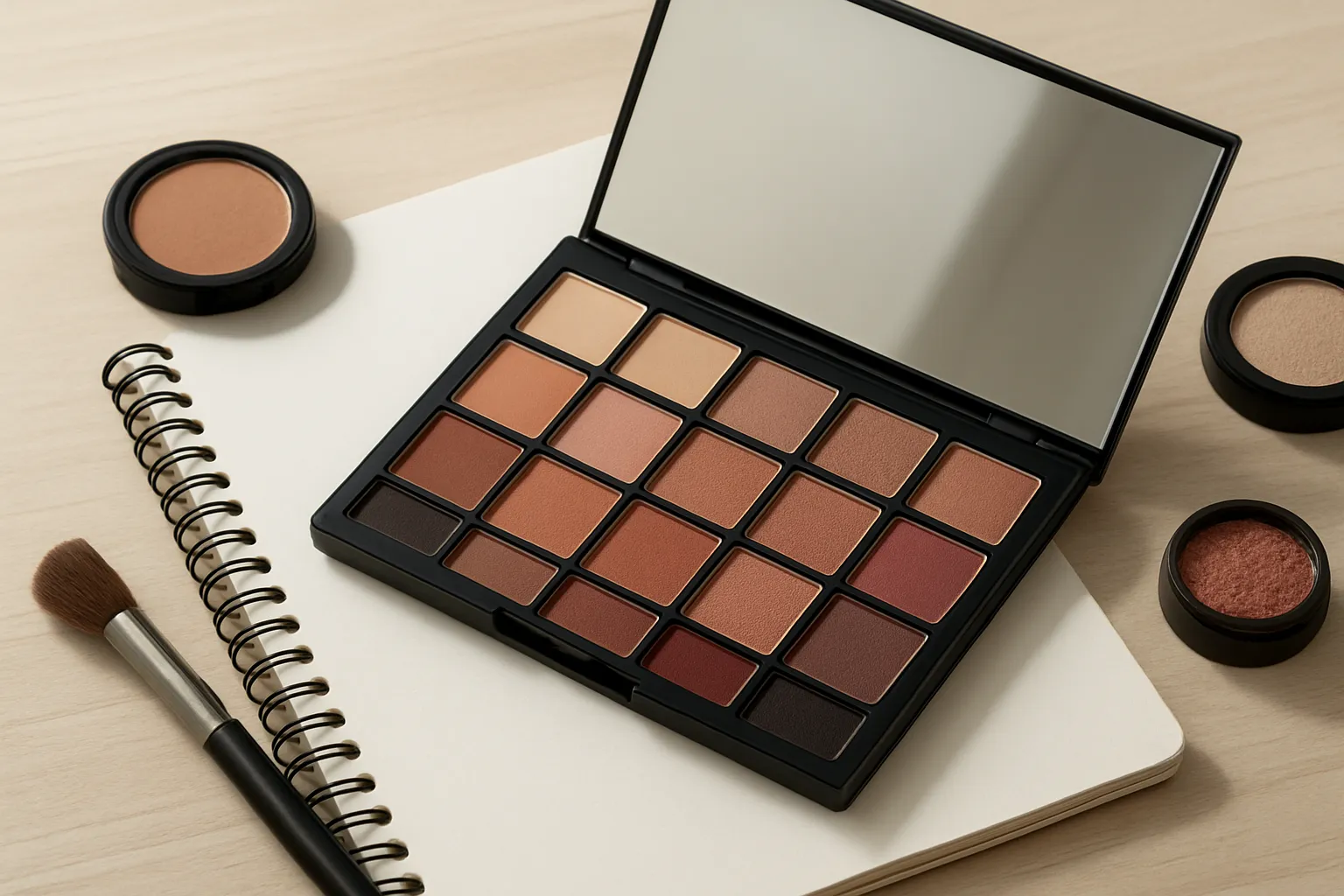
Eyeshadow palettes have become a cornerstone of modern cosmetics, serving as essential tools for both makeup enthusiasts and professionals. Their significance extends beyond merely enhancing the eyes; they offer a versatile medium for creativity and self-expression. As consumers increasingly seek personalized beauty solutions, the demand for high-quality eyeshadow palettes continues to surge.
Recent market trends indicate a substantial shift towards inclusivity and diversity in color ranges. Brands are now developing palettes that cater to a wide spectrum of skin tones and personal styles. This comprehensive guide will delve into the various aspects of creating effective eyeshadow palettes, from key specifications to sourcing ingredients and implementation strategies.
2. Key Specifications for Eyeshadow Palettes
Color Selection and Pigmentation
In my experience, color selection is paramount when creating an eyeshadow palette. A well-curated palette should offer a harmonious blend of shades that users can mix and match. Brands must focus on the pigmentation of their products; vibrant, high-pigment formulas are often preferred, as they provide better coverage and longevity. Conducting thorough consumer research can help identify trending colors and desired finishes, ensuring the palette resonates with the target audience.
Texture Types: Matte, Shimmer, and Satin
Texture plays a vital role in the performance of an eyeshadow palette. Matte shades are favored for their versatility in creating depth and dimension, while shimmer and satin finishes add brightness and allure. A successful palette typically includes a balance of these textures, allowing users to achieve a variety of looks, from subtle to dramatic. Brands should invest in high-quality formulations that ensure smooth application and blendability, as this is often a key factor in consumer satisfaction.
Packaging Considerations
The packaging of an eyeshadow palette is not merely a protective layer; it is a crucial part of the product’s identity. Eye-catching designs can attract consumers and enhance shelf appeal. Additionally, practical considerations such as the inclusion of mirrors, compact size, and durability should be given due attention. Sustainable packaging options are also gaining traction, as consumers become more environmentally conscious. In my opinion, brands that prioritize eco-friendly packaging will likely build stronger connections with their audience.
3. Use Cases for Eyeshadow Palettes
Everyday Wear vs. Special Occasions
Understanding the use cases for eyeshadow palettes is essential for brands. Palettes designed for everyday wear typically feature neutral tones and versatile shades that can transition seamlessly from day to night. In contrast, palettes aimed at special occasions often include bolder colors and unique finishes that cater to festive or glamorous looks. I believe that offering both types can significantly enhance a brand’s appeal.
Seasonal Trends and Limited Editions
Seasonal trends can greatly influence consumer purchasing behavior. Brands can capitalize on this by launching limited edition palettes that reflect seasonal colors and themes. For instance, warm tones during fall or vibrant shades in summer can resonate well with consumers looking for timely beauty solutions. From what I have seen, aligning product launches with seasonal trends can drive significant sales.
Collaborations with Influencers
Collaborating with beauty influencers can provide valuable insights into consumer preferences and trends. By partnering with influencers, brands can develop palettes that reflect the influencer’s style while reaching their dedicated audience. This strategy not only boosts brand visibility but also fosters a sense of authenticity and trust among consumers, which is crucial in today’s market.
4. Comparing Different Eyeshadow Palette Formats
Single Shades vs. Multi-Color Palettes
When designing eyeshadow palettes, brands must decide between offering single shades or multi-color options. While single shades provide flexibility for consumers to create their custom palettes, multi-color palettes are often more appealing to those seeking convenience and variety. Brands should analyze their target market to determine which format aligns best with consumer preferences and shopping behaviors.
Travel-Friendly Options vs. Full-Size Palettes
Travel-friendly eyeshadow palettes have gained popularity as consumers prioritize convenience. Compact palettes that fit easily into makeup bags are ideal for on-the-go applications. Conversely, full-size palettes may offer more variety and are often preferred by makeup artists or enthusiasts who enjoy experimenting with different looks. In my experience, both formats have their place in the market, and brands should consider offering a range of options.
Customizable Palettes
Customizable palettes are an innovative way to engage consumers. By allowing customers to select their favorite shades, brands can enhance the shopping experience and create a sense of ownership. This approach not only caters to individual preferences but also fosters brand loyalty, which is essential in a competitive landscape.
5. Sourcing Ingredients for Eyeshadow Palettes
Types of Ingredients: Natural vs. Synthetic
The choice between natural and synthetic ingredients can significantly impact the formulation of eyeshadow palettes. Natural ingredients are often perceived as safer and more appealing to eco-conscious consumers, while synthetic options may offer better performance and longevity. Brands must carefully consider their target market and brand values when sourcing ingredients, as this can influence consumer trust and product acceptance.
Ethical Sourcing and Sustainability
Ethical sourcing practices are becoming increasingly important in the cosmetics industry. Brands should prioritize suppliers that adhere to sustainable practices and provide transparency in their ingredient sourcing. This commitment not only enhances brand reputation but also aligns with the growing consumer demand for responsible beauty products. In my opinion, brands that are proactive in these areas will likely see greater customer loyalty.
Supplier Selection Criteria
Selecting the right suppliers is crucial for the successful production of eyeshadow palettes. Brands should evaluate potential suppliers based on their quality assurance processes, ingredient sourcing practices, and ability to meet regulatory requirements. Building strong relationships with reliable suppliers can ensure consistent product quality and timely delivery, which are vital for maintaining consumer trust.
6. Implementation Strategies for Launching Eyeshadow Palettes
Product Development Timeline
A well-defined product development timeline is essential for launching eyeshadow palettes. Brands should establish clear milestones for formulation, testing, and production phases. This structured approach can help mitigate delays and ensure a smooth launch process, ultimately leading to better market performance.
Marketing and Promotion Tactics
Effective marketing strategies are vital for the successful introduction of new eyeshadow palettes. Brands should leverage social media platforms, influencer partnerships, and targeted advertising to generate buzz around their products. Engaging content, such as tutorials and user-generated posts, can also enhance consumer interest and drive sales. From what I have seen, an integrated marketing approach often yields the best results.
Distribution Channels
Choosing the right distribution channels is crucial for maximizing reach and accessibility. Brands can consider a mix of online and brick-and-mortar retail options to cater to different consumer preferences. Collaborating with beauty retailers and e-commerce platforms can help expand the product’s visibility and availability, ensuring it reaches the intended audience effectively.
7. Frequently Asked Questions
Common Concerns About Formulation
One of the most common concerns among consumers is the formulation of eyeshadow palettes, particularly regarding potential allergens or irritants. Brands should be transparent about their ingredient lists and provide clear information on hypoallergenic or cruelty-free claims. This transparency can significantly enhance consumer confidence.
Packaging and Branding Questions
Packaging and branding are critical components of product identity. Brands often receive inquiries about the materials used in packaging and their sustainability. Addressing these questions through informative content can enhance consumer trust and brand loyalty. I believe that clear communication is key to building lasting relationships with customers.
Regulatory Compliance Issues
Navigating regulatory compliance is essential for cosmetic brands. Questions related to safety assessments, labeling requirements, and ingredient regulations are common. Brands should stay informed about industry regulations and ensure their products meet all necessary compliance standards to avoid legal issues. This diligence is crucial for maintaining a good standing in the market.
Conclusion
Creating effective eyeshadow palettes requires a comprehensive understanding of market trends, consumer preferences, and product specifications. By focusing on color selection, texture variety, and ethical sourcing, cosmetic brands can develop palettes that not only meet but exceed consumer expectations. Implementing strategic marketing and distribution tactics will further enhance the success of these products in a competitive market. As the beauty industry continues to evolve, staying attuned to consumer needs and preferences will be key to thriving in this dynamic landscape.