
Blush Swatches: Agree the Comparison Conditions
How should a buyer compare blush swatches for a bulk order? Agree the reference sample, comparison surface, application preparation and viewing conditions with the supplier before making a shade decision. Record what was compared and under which conditions. A catalogue swatch on a screen identifies an enquiry reference; it does not establish how the proposed product will look under every application or light.
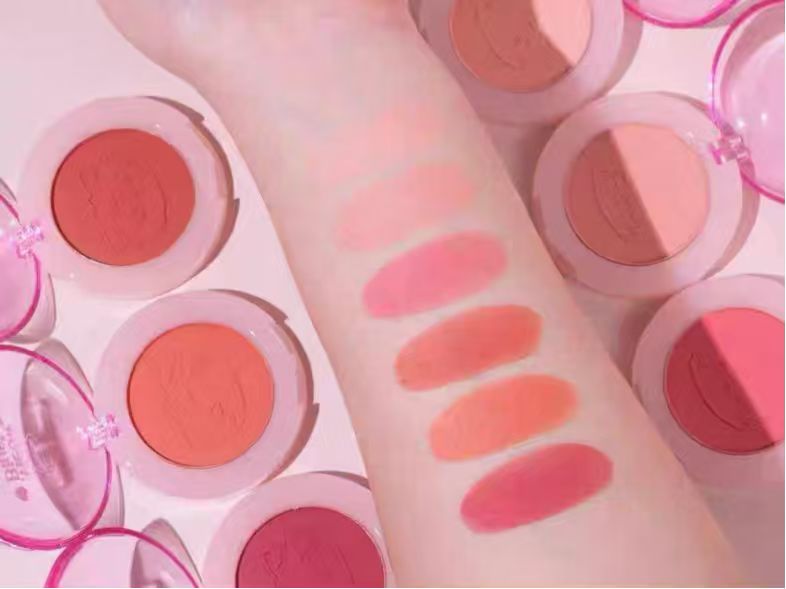
Official catalogue arrangement of compacts and swatches. The image does not document a reproducible preparation or viewing method, or promise the same appearance on another surface.
Define the comparison question first
The Andi Ycosmetics blush listing presents a round compact and gallery images with swatches and named colour examples. These references help a buyer describe the desired shade discussion. The short product text does not provide an agreed swatch preparation method, viewing arrangement or numerical colour acceptance limit.
A wholesale blush buyer may be comparing a supplier sample with a retained reference, or choosing between several proposed samples. State which decision is required. Comparing a new sample with an agreed master is a different exercise from selecting a preferred colour from a catalogue illustration.
Keep the shade comparison separate from the existing order-code and carton-label record. A code tells the team which item it is discussing. A controlled comparison explains what the team actually observed when judging its appearance. A correctly labelled compact can still need an appearance decision.
Buying field
Requested supplier response
Decision scope
Choose a proposed shade or compare an identified sample with an agreed reference.
Sample identity
Supplier reference, sample version and the physical reference used for comparison.
Comparison surface
An agreed surface or other presentation appropriate to the buyer and supplier review.
Preparation method
How the comparison samples are prepared so the observations remain interpretable.
Viewing conditions
Agreed light, background and presentation for the actual review.
Decision record
Observed differences, accepted scope and unresolved questions without invented tolerances.
Agree how the sample will be presented
Ask the supplier what presentation it proposes for the sample review. The method should make clear which product and reference are being compared and how the samples are prepared. If an application tool or comparison surface is used, identify it in the review record rather than assuming any presentation gives the same observation.
Do not infer a universal application result from the forearm scene in the gallery. That scene is a catalogue illustration. It does not establish the preparation, amount, lighting or image processing behind the displayed colours, and it does not promise the same appearance on another surface or person.
Where application observations matter to the purchasing brief, agree a suitable evaluation with the supplier and responsible product team. This article does not prescribe use on a person or establish suitability for any user. The purchasing record should state the actual evaluation scope without turning an illustrative photograph into a tested result.
Official compact view identifying the blush reference. Its appearance does not establish formulation, current shade availability or an agreed colour standard.
Keep the physical reference and viewing conditions connected
Identify the retained sample or other agreed appearance reference by a stable reference name. Ask which supplier sample represents the proposal being discussed. Record both identities together with the date of the comparison so a later reader knows what the decision concerned.
Agree the viewing arrangement before deciding whether an apparent difference matters. Light, background and presentation can affect how a colour is perceived or photographed. Retain the conditions actually used instead of treating two images taken under unknown conditions as a reliable production comparison.
If a precise instrumental colour requirement is necessary, have the relevant parties define the method, reference and acceptance limits separately. No numerical colour tolerance is supplied by the inspected listing. Do not create one from a screen image, a swatch caption or the commercial phrase standard size.
Distinguish colour observations from product claims
Describe what was seen in the actual comparison, such as an observed difference relative to the identified reference under the recorded conditions. Keep the observation within that scope. It does not by itself establish wear duration, transfer resistance, ingredient identity or another formulation property.
A pressed product can look different in the pan and in a prepared comparison. Ask the supplier which presentation the proposed approval covers. If both views matter, record them separately rather than demanding an undefined overall match across different forms of presentation.
The gallery includes numbered and named examples, but their presence does not guarantee that every displayed shade is currently offered. Confirm the actual proposed sample references with the supplier. A useful comparison starts with identified available proposals, rather than treating an illustrated colour chart as a complete commercial offer.
Official numbered colour illustration used as an enquiry reference. Screen colours and catalogue shade captions do not establish production acceptance or a complete available offer.
Write a decision that another buyer can understand
Retain the sample identities, preparation description, viewing conditions and observations with the supplier response. State whether the decision selects a preferred proposal or accepts a comparison against an agreed reference. Record any unresolved point specifically enough that the next reviewer knows what information is still required.
Where the supplier provides a revised sample, keep it separate from the earlier version and compare it using the agreed approach. Explain which observation the revision addresses. Do not replace the original reference image while leaving the old approval wording unchanged.
Once an appearance reference is accepted, connect its identity to the order without treating it as approval of unrelated product or packing fields. Ingredient information, destination requirements, item identification and carton quantities retain their own questions. The shade comparison record contributes one defined purchasing decision.
Buyer FAQ
Can the screen swatch be the only colour approval?
Use it to identify the enquiry. Agree the actual physical reference and comparison method needed for the purchasing decision.
Does the forearm image establish the application method?
No. The gallery does not document all preparation and viewing conditions behind that illustration.
Should pan appearance and a prepared swatch be merged?
Identify which presentation each observation concerns. Agree any requirement for both views explicitly.
Is a numbered shade automatically available?
Ask the supplier which sample and shade proposals are actually offered. Catalogue numbers alone do not confirm availability.
Does appearance approval verify wear or ingredients?
No. Those questions need their own applicable product information and evaluation scope.
Use the official blush listing to identify the reference, ask for an agreed sample comparison, and see the cosmetics purchasing blog for related enquiries.
State the shade decision and identify both references.
Agree sample presentation and viewing conditions.
Keep observations within the scope actually reviewed.
wholesale blushB2B supplier sample record