
Eyeshadow RFQs: Define the Texture Schedule
A wholesale eyeshadow enquiry becomes more useful when the buyer asks for a texture schedule alongside the selected palette. A photograph may show surfaces that look smooth, reflective or visibly textured, but those appearances do not establish the supplier’s finish names, formulation or application result. The purchasing task is to obtain a declared finish for each relevant pan and connect that declaration to the exact offered variant and a physical reference.
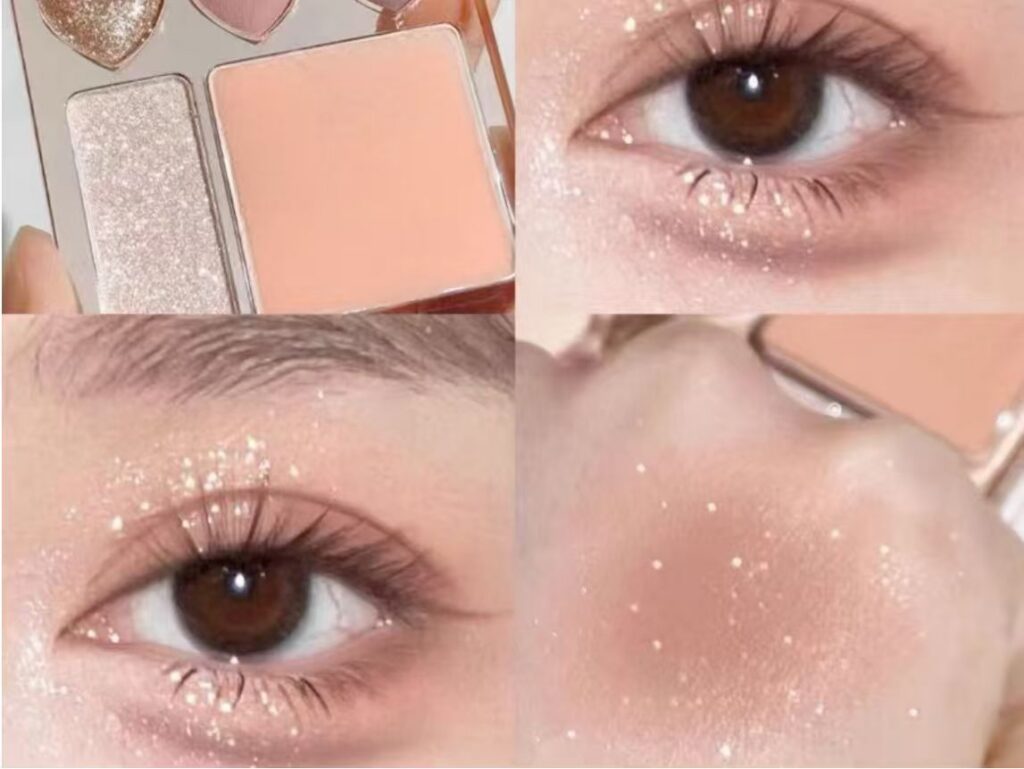
Supplier catalogue collage: appearance reference only; no finish performance established.
Start with the actual palette and its declared scope
Andy Cosmetics lists a Heart-Shaped Eyeshadow Palette and describes a variety of textures with pink and brown tone options. The gallery includes a full palette and detail collages. This gives a concrete starting point for a texture enquiry, while leaving the finish terminology and the proposed contents for the supplier to confirm. The catalogue wording does not establish that every photographed presentation is included in one offer.
Identify the product page, the offered tone family and the supplier’s sample reference in the request. Ask whether the response describes an existing catalogue version or a proposed development. A finish schedule for one variant should not silently become the schedule for another variant that shares a case shape or marketing name. Keep unresolved entries visible instead of completing them from the photograph.
Define finish vocabulary before filling the schedule
Words such as matte, shimmer, metallic and glitter can be useful questions, but the buyer should request the manufacturer’s own definitions for the proposed product. Do not treat a sparkling photograph as confirmation of a particular ingredient, particle size or finish category. Ask which terms the supplier uses, how those terms distinguish the offered options and which reference sample demonstrates each declared finish.
A simple glossary can accompany the quotation. If two finish names are alternatives, request separate rows with the applicable variant or pan reference. If a supplier uses one commercial finish name across several products, ask whether the same declaration applies to this exact palette. This avoids comparing a visual adjective from one quotation with a technical description from another.
Full catalogue palette layout helps attach finish questions to identified pans.
Build a texture schedule that purchasing can use
Use a copy of the supplier-confirmed palette layout as an identifier. The purpose here is to attach a declared texture to a known location, rather than approve the pan arrangement again. A short pan reference, offered tone variant and declared finish can make each row traceable. The supplier should identify any undecided finish or substitution instead of treating a blank cell as buyer approval.
Keep the texture schedule separate from the shade assortment and the packing quotation. A finish change might leave the commercial shade name unchanged, while a new shade might be proposed within an existing finish category. Ask the supplier to explain which fields change together and which remain independent. That distinction helps a brand compare proposals without assuming that a single colour name describes the whole specification.
Buying field
Requested supplier response
Product and variant
Exact catalogue item, offered pink or brown tone family and supplier sample reference.
Pan reference
Identifier tied to the confirmed layout, used only to locate the finish declaration.
Declared texture or finish
Supplier terminology and its meaning for this offered product.
Physical finish reference
Sample or reference identifier showing the proposed finish, with any limitations stated.
Open question
Unconfirmed finish, alternative or substitution that still needs a written response.
Compare declared finishes using identified references
Request the supplier’s recommended way to present the proposed finishes for buyer review. The response might include identified sample units and a documented presentation, but a gallery collage alone is not a controlled comparison. Ask what sample and presentation each image represents. Do not infer wear, adhesion, irritation potential or consistency from a single photograph.
Where a buyer needs a physical comparison, agree the reference and review method with the supplier before requesting a decision. Record the sample identity and the question being evaluated. Keep a texture observation distinct from approval of colour, product suitability or performance. An attractive sample photograph can support a discussion without being sufficient evidence for every requirement in the purchasing brief.
Second catalogue tone presentation; the offered variant and finish names need supplier confirmation.
Carry the schedule into the supplier response
Ask the supplier to return the schedule with explicit answers and a version reference. A statement that a finish is available does not identify which offer includes it. Link the response to the quotation and the relevant sample, and record whether a proposed finish is included, an alternative or still awaiting confirmation. Do not insert assumed quantities, manufacturing times or availability promises.
If the supplier later proposes a different finish for an identified pan, request a revised row and the applicable physical reference. Preserve the previous version as the record of what was discussed. The buyer can then decide whether the proposed change needs another review without confusing it with a new palette layout or a routine packaging revision.
Buyer FAQ
Can the photograph establish the finish of every pan?
No. It can locate a question and show a catalogue appearance. Obtain the supplier’s declared finish and matching reference for the exact offered variant.
Is the texture schedule the same as a shade map?
No. A shade map identifies colours and positions. This schedule asks what texture or finish is declared for each referenced part of the offer.
Should a visibly sparkling pan be called glitter automatically?
No. Ask the manufacturer to state the applicable terminology. Appearance alone does not identify composition or finish classification.
What should the buyer retain?
Retain the supplier’s schedule, definitions, variant and sample identities, applicable quotation and unresolved questions. Keep approvals limited to the requirements actually reviewed.
Use the actual heart-shaped palette reference, the supplier purchasing articles and contact the supplier for its declared texture schedule.
Identify the actual offered product and supplier reference.
Request the applicable method or declaration and its limits.
Keep confirmed responses and outstanding questions with the enquiry.
wholesale eyeshadowB2B supplier sample record