
Highlighter Lots: Request the Code Reference
For a highlighter lot-identification enquiry, ask the supplier whether a production or batch code is provided on the offered product and what that code identifies. Request its location, a manufacturer explanation of the relevant fields and the link to the supplied order line. Keep the product unit, any outer package and a buyer sample reference separate. A catalogue image or a shade name does not establish a production lot or prove that a particular coding service is included.
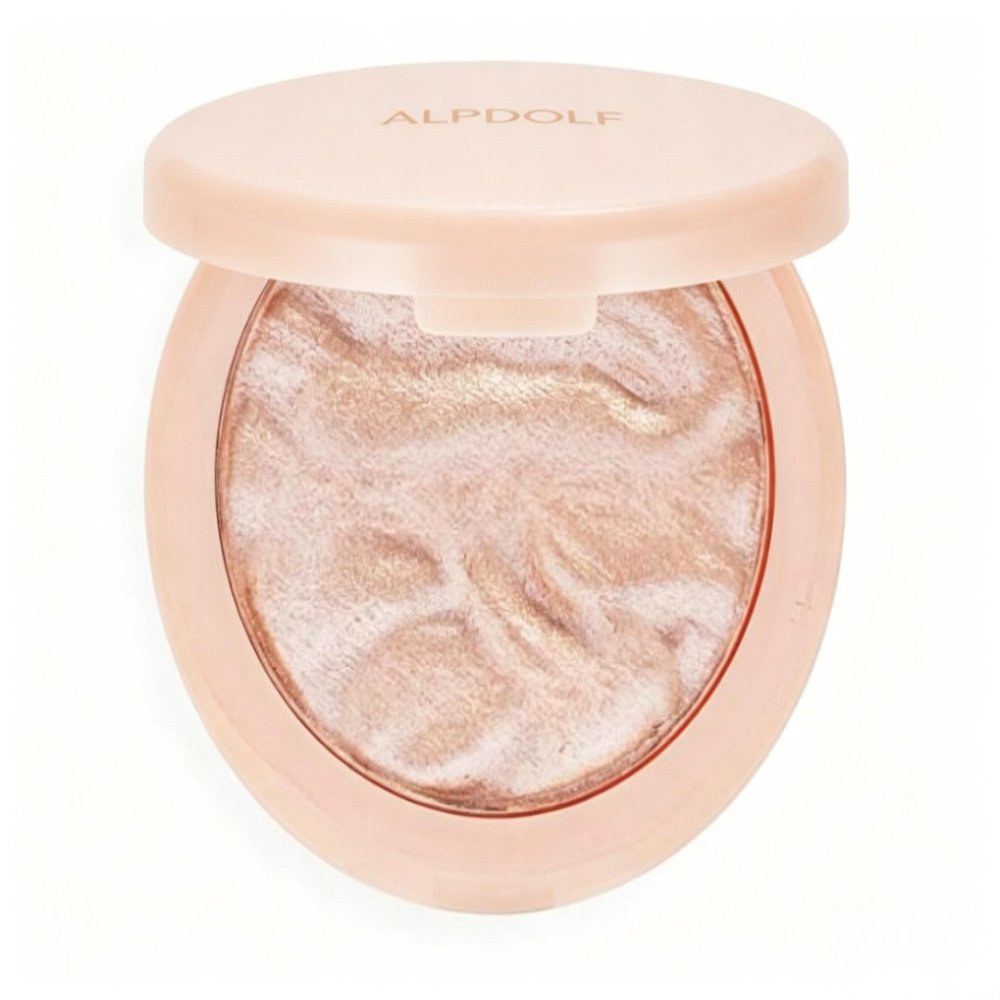
Supplier-published product reference. The image identifies the catalogue item or named related component; printed marketing, styling and appearance do not establish an independently verified specification, commercial inclusion or performance result.
Start with the exact highlighter product
Andycosmetics publishes a Highlighter with Natural in its colour field. Its catalogue also contains a Cream Highlighter Palette and a Matte Setting Powder Compact. These are separate product listings and should remain separate in a coding enquiry. The shared use of a colour description does not make two products one item or mean that a code assigned to one product identifies another.
Use the official Highlighter page to identify the item in the supplier quotation. Ask for the manufacturer product reference and the offered version covered by its reply. The catalogue compact image helps identify the product appearance; it does not reveal a coding policy, a production date or a promise that a buyer-selected label can be applied.
Ask what identification the supplier actually provides
Request a direct statement of whether the offered product carries a production, batch or other manufacturer code. Keep the supplier terminology with its explanation. If no such identification is part of the proposal, record that answer rather than inventing a code from a shade, an order number or the position of a product in a website gallery. Where coding is still being discussed, mark the scope as unconfirmed.
If a code is provided, ask what it refers to in the manufacturer record. A code may need an explanation of its product, production grouping or other assigned reference; the supplier should define the actual meaning. Do not interpret an unfamiliar string as a manufacture date, expiry date or formula identifier without confirmation. This article establishes an identification enquiry and supplies no legal labelling rules or shelf-life statement.
Supplier-published product reference. The image identifies the catalogue item or named related component; printed marketing, styling and appearance do not establish an independently verified specification, commercial inclusion or performance result.
Identify the location and packaging level
Ask the supplier to show the proposed code location on the actual offered unit, using a marked image or a clearly identified sample. Keep a container, a separate outer package and a shipment grouping as different levels. A mark on an outside package should not automatically be treated as a mark on every individual compact. Request the relationship between those levels where it matters to the order record.
Keep the code itself separate from fixed artwork and product appearance. If the supplier proposes a variable mark, ask which component receives it and which reference shows its position. Do not infer a printing, embossing or other application method from the catalogue compact. Any proposed marking process or buyer-specific coding service remains a supplier confirmation. The record should describe what is actually offered without implying an unconfirmed manufacturing capability.
Buying field
Requested supplier response
Product identity
Exact Highlighter and offered version
Coding scope
Supplier-confirmed identification, or an explicit open field
Code meaning
Manufacturer explanation of the actual assigned fields
Location
Marked unit or package reference
Packaging level
Individual compact and outer grouping distinguished
Order link
Confirmed code relationship to the supplied order lines
Record revision
Applicable sample, explanation and supplier response
Link the code to the manufacturer response
Ask how the supplier will associate the confirmed identification with the delivery documents for the actual order. Retain its response together with the product and packaging-level references. If several production groups are included in a proposed shipment, request a clear allocation rather than assuming that every item shares the same code. A single commercial order does not, by itself, establish one manufacturing group.
Keep buyer sample identifiers in their own field. A buyer may assign a reference to a received sample for internal discussion, but that reference does not become a manufacturer production code. Likewise, a document version or artwork file name identifies a record, not necessarily the physical product group. A useful purchasing file makes these relationships explicit enough that a later reviewer can follow the supplier explanation without guessing.
Supplier-published product reference. The image identifies the catalogue item or named related component; printed marketing, styling and appearance do not establish an independently verified specification, commercial inclusion or performance result.
Preserve the actual identification at receipt
At receipt, record the observed marking and its location against the identified product and package. Compare it with the supplier-confirmed scope. Describe a missing expected mark, a different location and an unexplained code as separate observations. Ask the supplier to explain discrepancies before assigning a production cause or interpreting the code as evidence of an unconfirmed property.
Retain the original observation and supplier clarification under their actual references. If the coding proposal changes before another order, obtain a revised explanation instead of extending an old sample decision automatically. This process can support a clearer purchasing record, but it does not verify formula composition, safety, authenticity, shelf life or product performance. Those statements require their own applicable information rather than being inferred from the presence of a code.
Buyer FAQ
Does Natural identify a production batch?
No. It is a catalogue colour description. Ask the supplier whether a separate manufacturer code is provided and what that code identifies.
Can a code on an outer package be assumed on every compact?
No. Request a supplier-confirmed location and relationship between the individual product and any outer grouping.
Does a batch code establish an expiry date or safety result?
Not by itself. Obtain the manufacturer explanation and keep any date, product-information or performance statement within its actual supported scope.
Supplier response checklist
Exact product and offered version
Named supplier reference and applicable sample scope
Confirmed information separated from unresolved fields
wholesale highlighterB2B supplier sample record